How to Trim Split Ends at Home?
Trimming split ends at home can be a straightforward process if you know the right steps. You don’t need to rely solely on a salon visit to maintain your hair’s health. With the right tools and techniques, you can tackle those pesky splits yourself. But before you grab your scissors, it’s important to understand what split ends are and how to identify them properly. Let’s explore the essential details you need to get started.
How To Trim Split Ends At Home: Easy Steps To Follow
If you’re tired of dealing with split ends, trimming them at home can be a quick and effective solution.
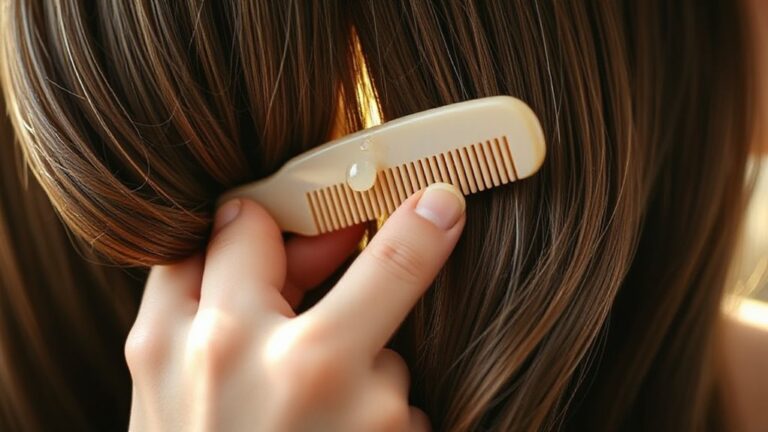
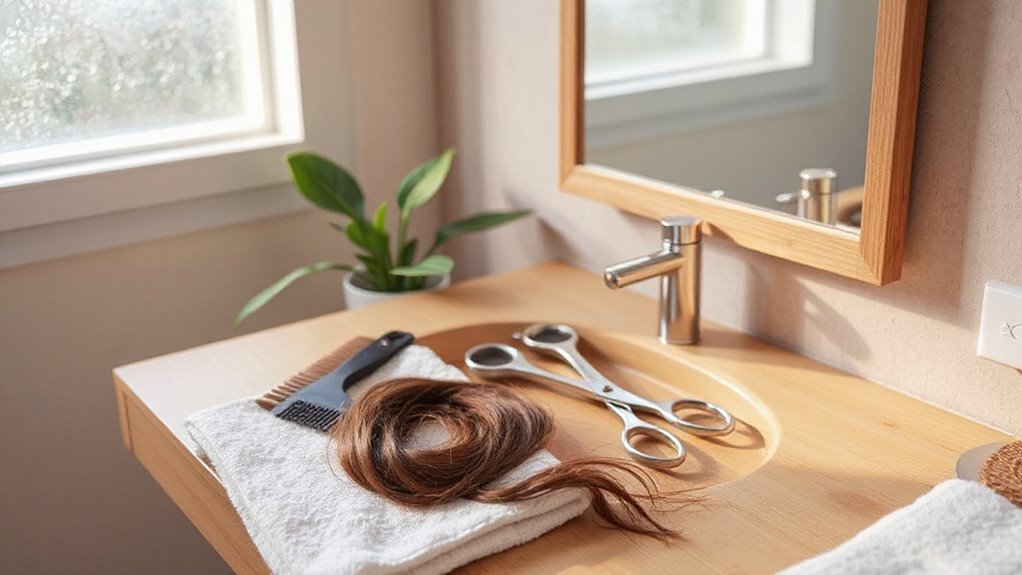
Start by gathering sharp scissors, a comb, and a mirror. Section your hair to make the process easier.
Working with one section at a time, comb through to identify split ends. Hold the hair taut and snip just above the split. Avoid cutting too much; just remove the damaged tips.
After trimming, make sure the ends blend well by gently running your fingers through. Finally, style as desired, and enjoy your healthier-looking hair without the hassle of a salon visit!
What Are Split Ends And Why Do They Occur?
Split ends, those pesky little frays at the ends of your hair, signal damage and wear. They occur when your hair’s protective cuticle is stripped away, leaving the inner fibers exposed.
Here are three common causes of split ends:
- Heat Damage: Excessive use of styling tools like straighteners and curling irons can weaken your hair.
- Chemical Treatments: Frequent coloring, perming, or relaxing can compromise hair structure.
- Environmental Factors: Sun exposure, wind, and dry air can also lead to brittle hair, making it more prone to splitting.
Understanding these causes helps you take better care of your hair.
How Can You Tell If You Have Split Ends?
Knowing how to identify split ends is essential for maintaining healthy hair.
Start by examining the ends of your hair. If you notice strands that look frayed or have a white, fuzzy tip, you’ve likely got split ends. Gently pull a few strands apart; if they separate into two or more pieces, it’s a clear sign.
You might also see uneven lengths, where some hairs are shorter than others. Regularly checking for these signs helps you catch damage early, ensuring you keep your hair looking its best.
Don’t wait too long—address split ends promptly to preserve your hair’s health.
What Tools Do You Need To Trim Split Ends At Home?
To successfully trim split ends at home, you’ll need a few essential tools. Having the right equipment makes the process easier and more effective.
Here’s what you’ll need:
- Sharp Hair Scissors: Invest in high-quality, sharp scissors specifically designed for hair cutting. Dull scissors can cause more damage.
- Comb: A fine-tooth comb helps you section your hair and identify split ends more easily.
- Mirror: A good-quality mirror, preferably with a magnifying option, allows you to see details and achieve a precise trim.
With these tools in hand, you’re ready to tackle those pesky split ends!
How To Prepare Your Hair Before Trimming Split Ends?
After gathering your tools, it’s time to prepare your hair for trimming. Start by washing your hair with a gentle shampoo to remove any buildup.
Follow with a nourishing conditioner to hydrate your strands. Once rinsed, gently towel-dry your hair to remove excess water, but avoid rough drying to prevent frizz.
Next, apply a leave-in conditioner or hair oil for added moisture and protection. Detangle your hair with a wide-tooth comb, working from the ends up to minimize breakage.
Finally, let your hair air dry completely before you start trimming, ensuring it’s in the best condition for the process.
What Techniques Should You Use To Trim Split Ends?
While trimming split ends might seem straightforward, using the right techniques can make a significant difference in achieving a clean, polished look.
Here are three effective methods to trim those pesky ends:
- Point Cutting: Hold your scissors vertically and snip the ends at an angle. This technique creates a softer finish and blends the cut better.
- Twist and Snip: Twist small sections of hair and trim the ends. This helps you spot split ends more easily.
- The Comb Method: Use a fine-tooth comb to lift the hair and trim split ends as they appear. This provides precision and control.
How To Maintain Healthy Hair And Prevent Split Ends?
Maintaining healthy hair and preventing split ends requires a combination of good practices and the right products. Start by using a gentle shampoo and conditioner tailored for your hair type.
Limit heat styling, and when you do use heat, apply a protective spray. Regular trims every six to eight weeks help keep split ends at bay.
Incorporate a weekly deep-conditioning treatment to nourish your strands. Don’t forget to protect your hair from harsh weather by wearing a hat or using UV protection products.
Finally, maintain a balanced diet rich in vitamins and minerals to support healthy hair growth from within.
When Should You Seek Professional Help For Split Ends?
Even with the best care routines, split ends can still occur, and knowing when to seek professional help is important for preserving your hair’s health.
If you’re noticing persistent split ends despite your efforts, it might be time to consult a stylist.
Here are three signs you shouldn’t ignore:
- Excessive Shedding: If your hair is falling out more than usual, a professional can assess the underlying issues.
- Severe Damage: Noticeable breakage or frizziness indicates your hair needs expert attention.
- Inability to Manage: If home trimming isn’t effective, a stylist can provide a proper cut to restore your hair’s vitality.