How to Detangle Hair Without Breakage?
Detangling your hair can be a delicate process, and doing it wrong can lead to breakage. You need a gentle approach that respects your strands while effectively removing knots. By using the right techniques and tools, you can maintain your hair’s health. Curious about the best strategies to achieve this? Let’s explore the essential methods that can transform your detangling routine.
How To Detangle Hair Without Breakage: What Are The Best Techniques?
When you want to detangle your hair without causing breakage, using the right techniques can make all the difference.
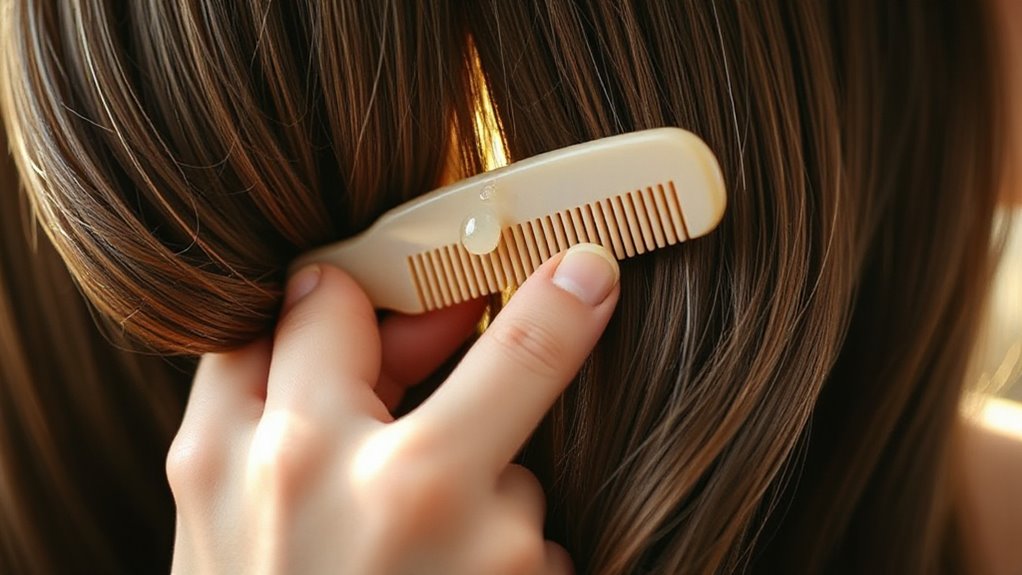
Start by applying a leave-in conditioner or detangling spray to soften knots. Use a wide-tooth comb or your fingers, beginning at the tips and working your way up. This method minimizes tension and reduces breakage.
Section your hair into manageable parts, and always be gentle. Avoid yanking or pulling; instead, patiently work through stubborn tangles.
Finally, consider detangling when your hair’s damp, as it’s often more pliable, making the process easier and safer for your strands.
Why Is It Important To Detangle Hair Gently?
Detangling your hair gently is crucial because it helps prevent damage and maintains your hair’s health.
When you tug or pull too hard, you risk breaking strands and causing split ends. This not only makes your hair look unhealthy but also leads to longer-term issues, like thinning.
By being gentle, you minimize stress on your hair follicles, promoting growth and liveliness. Plus, it makes the detangling process quicker and more efficient, saving you time and frustration.
Ultimately, treating your hair with care guarantees it remains strong, shiny, and manageable, enhancing your overall appearance and confidence.
What Tools Can Help In Detangling Hair?
Taking care of your hair goes hand in hand with using the right tools for detangling.
Start with a wide-tooth comb, which gently glides through knots without pulling. If you’ve got curly or textured hair, a detangling brush specifically designed for your hair type can work wonders.
A paddle brush is great for straight hair, while a vent brush helps speed up drying time. You might also consider using a spray bottle filled with water or a leave-in conditioner to keep your hair hydrated while you detangle.
How To Choose The Right Products For Detangling Hair?
Choosing the right products for detangling hair can make all the difference in maintaining its health and preventing damage.
Look for a lightweight leave-in conditioner or detangling spray that contains nourishing ingredients like aloe vera, coconut oil, or argan oil. These ingredients help soften your hair and reduce friction while you detangle.
Avoid products with alcohol or harsh chemicals, as they can dry out your hair. If you have curly or textured hair, opt for products specifically designed for your hair type.
Finally, always test new products on a small section to verify they work well for you.
When Is The Best Time To Detangle Hair?
Finding the right products is just the first step; knowing when to detangle is equally important for maintaining healthy hair.
The best time to detangle is when your hair is damp, preferably after washing it. This allows the products to work effectively while minimizing breakage. If you can’t detangle after a wash, wait until your hair is slightly damp from a spray bottle.
Avoid detangling dry hair, as it can lead to more knots and potential damage. Ultimately, consider detangling at night before bed; this way, you wake up with manageable hair ready for the day ahead.
What Are Common Mistakes To Avoid When Detangling Hair?
While detangling hair may seem straightforward, there are several common mistakes that can lead to breakage and frustration.
First, don’t rush the process; taking your time helps prevent pulling. Avoid starting from the roots; always work from the tips upward.
Using the wrong tools can also cause damage, so choose a wide-tooth comb or detangling brush. Skipping conditioner is another mistake; it provides slip and eases the process.
Finally, don’t forget to detangle damp hair instead of soaking wet or dry hair, as it’s more pliable and less prone to breakage.
Stay mindful of these pitfalls for healthier hair!
How Can I Prevent Hair Breakage While Detangling?
To prevent hair breakage while detangling, it’s essential to approach the process with care and the right techniques.
Start by using a wide-tooth comb or a detangling brush, as these tools are gentler on your strands. Always work from the ends up to the roots, gradually loosening knots to minimize tension.
Consider applying a leave-in conditioner or detangling spray to provide slip and hydration. Never rush; take your time and be gentle.
If you encounter a tough knot, don’t yank—use your fingers to gently tease it apart. Following these steps will keep your hair healthy and intact.
What Tips Can Enhance The Detangling Process?
Enhancing the detangling process can greatly improve your hair care routine.
By implementing a few simple tips, you can make detangling smoother and less stressful for your hair. Here are some suggestions you can try:
- Use a wide-tooth comb: It gently glides through your hair, reducing breakage and snagging.
- Apply a detangling spray: This adds slip to your strands, making it easier to work through knots.
- Section your hair: Working in smaller sections allows you to focus and detangle more effectively.
With these tips, you’ll notice a difference in how your hair responds during the detangling process.