How to Prevent Hair Breakage Naturally?
If you’re struggling with hair breakage, you’re not alone. Understanding how to prevent it naturally can make a significant difference. By adjusting your hair care routine and incorporating some simple lifestyle changes, you can strengthen your strands. But what specific steps should you take? And how do diet and environmental factors come into play? Let’s explore the effective strategies that can help you achieve healthier hair.
How To Prevent Hair Breakage Naturally: What You Need To Know
If you want to keep your hair healthy and strong, preventing breakage naturally is essential.
Start by using gentle shampoos and conditioners free from harsh chemicals. Incorporate regular deep conditioning treatments to nourish your strands.
You should also avoid excessive heat styling; instead, embrace air drying or use heat protectants. Getting regular trims helps eliminate split ends, too.
Don’t forget to maintain a balanced diet rich in vitamins and minerals, as this fuels growth and strength.
Finally, protect your hair from environmental factors by wearing hats or using UV protection sprays.
These steps will greatly reduce breakage and promote overall hair health.
What Causes Hair Breakage? Understanding The Factors
Understanding the factors that lead to hair breakage is important for maintaining healthy strands. Several elements contribute to this problem.
Overprocessing your hair with chemicals, frequent heat styling, and inadequate moisture are common culprits. Additionally, harsh weather conditions, such as sun exposure and extreme cold, can weaken your hair.
Poor nutrition, lack of essential vitamins, and dehydration also play a role. Using the wrong hair products or rough handling during styling can further exacerbate breakage.
How To Identify Signs Of Hair Breakage Early
Recognizing the early signs of hair breakage is crucial for preventing further damage and keeping your locks healthy.
Look for strands that feel rough or brittle, as they often indicate weakness. If you notice an increase in split ends or hair falling out more than usual, that’s another red flag.
Pay attention to whether your hair tangles easily and feels dry, even after conditioning.
Finally, if your hair lacks shine and appears dull, it may be time to take action.
Identifying these signs early allows you to adjust your routine and protect your hair from more severe breakage.
What Natural Remedies Can Help Prevent Hair Breakage?
Once you’ve identified the signs of hair breakage, it’s time to take action with natural remedies that can help strengthen your strands.
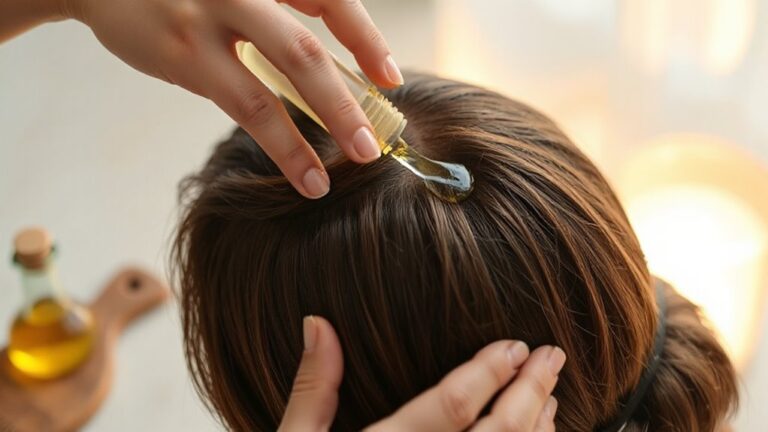
Try applying coconut oil to your hair regularly; it penetrates deeply and nourishes from within. Aloe vera is another great option; its soothing properties promote moisture retention.
You can also create a nourishing hair mask using honey and olive oil, which helps seal in hydration. Additionally, consider massaging your scalp with essential oils like rosemary or lavender to boost circulation.
Incorporating these natural remedies into your routine can considerably reduce breakage and promote healthier hair.
How Does Diet Affect Hair Strength And Breakage?
Since what you eat directly influences your hair’s health, a balanced diet is essential for maintaining strength and preventing breakage.
Nutrients like protein, biotin, zinc, and vitamins A, C, and E play important roles in promoting hair growth and resilience.
Consuming enough healthy fats, like omega-3 fatty acids, helps keep your scalp moisturized, reducing brittleness.
Iron-rich foods also boost circulation to your hair follicles, encouraging growth.
When you neglect your diet, you risk deficiencies that weaken your strands.
Prioritizing whole foods, such as fruits, vegetables, lean proteins, and nuts, can greatly improve your hair’s strength and overall health.
What Role Does Hair Care Routine Play In Prevention?
A consistent hair care routine can greatly reduce the risk of breakage and promote healthier strands.
By incorporating effective practices, you can strengthen your hair and maintain its integrity. Here’s what you should focus on:
- Gentle cleansing: Use sulfate-free shampoos to avoid stripping natural oils.
- Condition regularly: Deep condition to restore moisture and elasticity.
- Limit heat styling: Reduce the use of heat tools to prevent damage.
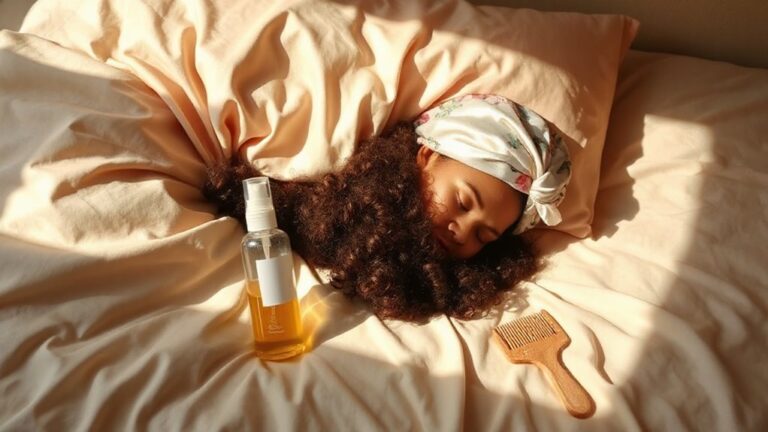
- Protect while sleeping: Use silk or satin pillowcases to minimize friction.
- Trim regularly: Schedule trims every 6-8 weeks to eliminate split ends.
These steps will help keep your hair strong and resilient.
How To Protect Your Hair From Environmental Damage
While you may not realize it, environmental factors like sun exposure, pollution, and humidity can wreak havoc on your hair. To protect your locks, start by wearing a hat or scarf when you’re outside. This shields your hair from harmful UV rays and reduces exposure to pollution.
Incorporate leave-in conditioners with UV protection into your routine, as they create a barrier against environmental stressors. Don’t forget to hydrate your hair by drinking plenty of water and using moisturizing treatments regularly.
Finally, limit heat styling, allowing your hair to breathe and recover from daily exposure to the elements.
Why Is Regular Trimming Important For Healthy Hair?
Regular trimming is essential for maintaining healthy hair because it helps eliminate split ends and prevents further breakage. By keeping your hair regularly trimmed, you’re investing in its overall health.
Here’s why you shouldn’t skip those appointments:
- Removes damaged ends that can travel up the hair shaft
- Promotes healthier growth by reducing stress on strands
- Enhances your hair’s shape and style
- Reduces tangling, making it easier to manage
- Boosts shine and overall appearance