
10 Best Silicone-Free Hair Masks for Healthier, Softer Hair in 2026
Silicone-free hair masks can replenish moisture, improve manageability, and support damaged strands without relying on coating ingredients that some shoppers prefer to avoid. The best choice depends on your hair’s porosity, texture, damage level, and tolerance for protein.
We compared 10 formulas ranging from lightweight hydration treatments to richer repair masks, including vegan, color-safe, protein-free, and keratin-focused options. Use the guide below to narrow the list by ingredients, performance goals, and hair type.
Best 10 Silicone Free Hair Masks Picks for 2026
Best Overall Moisture
Briogeo Avocado + Kiwi Mega Moisture Mask

- Deeply hydrates dry hair
- Protein-free and silicone-free
- Vegan and color-safe
Best For: Weekly moisture treatment for dry, medium-to-thick hair
Best for Damaged Hair
ACT+ ACRE Restorative Hair Mask

- Hydrates dry and damaged strands
- Fragrance-free and silicone-free
- Suitable for treated hair
Best For: Weekly restorative care for fine-to-thick damaged hair
Best Value Size
SheaMoisture Silicone-Free Miracle Masque

- Generous 11.5-ounce size
- Suitable for all hair types
- Moisturizes and helps reduce frizz
Best For: Frequent conditioning for dry or varied hair types
Best Strengthening Formula
Eva NYC Therapy Session Hair Mask

- Contains vegan protein and nourishing oils
- Conditions in 2–5 minutes
- Suitable for all hair types
Best For: Quick strengthening and hydration for dry or damaged hair
Salon-Style Repair

- Strengthens the hair fiber
- Helps seal the cuticle
- Vegan and silicone-free
Best For: Damaged hair needing intensive nourishment
Flexible Deep Conditioning

- Three treatment-time options
- Supports hydration and softness
- Contains keratin and coconut oil
Best For: Dry, damaged, curly, or color-treated hair
Color-Safe Vegan Repair

- Targets severely damaged hair
- Color-safe weekly treatment
- Vegan, sulfate-free, and silicone-free
Best For: Chemically treated or overprocessed hair
Everyday Coconut Care
Coconut & Vitamin E Moisture Mask
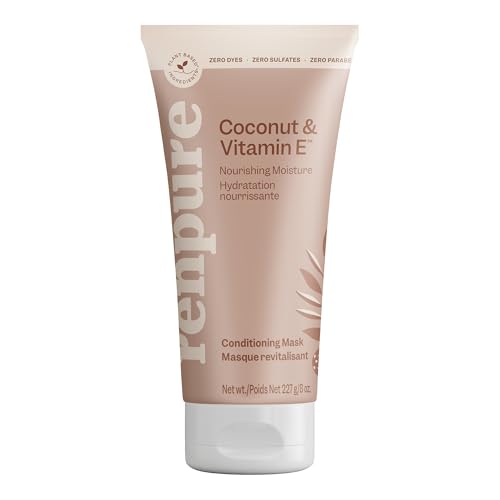
- Plant-based and silicone-free
- Deeply moisturizing for dry or damaged hair
- Coconut scent with Vitamin E
Best For: Simple moisture-focused conditioning
Clean Repair Pick
California Naturals Deep Repair Mask

- Silicone-, sulfate-, and paraben-free
- Shea butter and argan oil nourish dry hair
- Supports shine, detangling, and frizz control
Best For: All hair types needing clean-formula repair
Intensive Damage Repair

- Keratin and ceramides target damaged hair
- Free from silicone, sulfates, parabens, and phthalates
- Made for bleached, colored, and heat-damaged hair
Best For: Severely damaged or chemically treated hair
Best Overall Moisture – Briogeo Avocado + Kiwi Mega Moisture Mask
For shoppers comparing silicone free hair masks, Briogeo’s avocado and kiwi formula is a strong choice for dry, medium-to-thick hair. It focuses on deep hydration and softness while avoiding proteins, silicones, sulfates, parabens, phthalates, and artificial dyes.
Best For: Weekly moisture treatment for dry, thick, curly, coily, straight, or color-treated hair.
Pros:
- Deeply hydrates and softens dry strands.
- Protein-free and silicone-free formula.
- Vegan, cruelty-free, and 97% naturally derived.
- Suitable for color-treated and chemically processed hair.
Cons:
- The 2-ounce size is smaller than several competing masks.
- Recommended primarily for medium-to-thick hair.
This is a practical pick when hydration is the priority and you want a lightweight-feeling, protein-free treatment for regular weekly use.
Best for Damaged Hair – ACT+ ACRE Restorative Hair Mask
ACT+ ACRE’s Restorative Hair Mask is designed for dry, damaged, and brittle strands. Among silicone free hair masks, it stands out for its plant-based fatty acids and glycerin, which provide lasting hydration without added weight or residue.
Best For: Fine-to-thick hair needing a weekly restorative treatment, including color-, keratin-, or straightener-treated hair.
Pros:
- Works in 5–10 minutes, with an optional 20-minute deeper treatment.
- Uses plant-based fatty acids, glycerin, shea butter, and vitamin B-5.
- Silicone-free, vegan, fragrance-free, and cruelty-free.
- Rinses easily without added weight.
Cons:
- Its restorative focus may be more than lightly dry hair needs.
- The listed size varies between 4 and 4.5 fluid ounces in the supplied details.
Choose this mask if you want a fragrance-free, silicone-free formula that targets dryness and damage while remaining suitable across a broad range of hair textures.
Best Value Size – SheaMoisture Silicone-Free Miracle Masque
SheaMoisture’s Miracle Masque offers a generous 11.5-ounce size for shoppers seeking silicone free hair masks for routine conditioning. Sugarcane extract, meadowfoam seed oil, and marshmallow root are intended to moisturize, reduce frizz, and improve softness and flexibility.
Best For: All hair types, especially dry hair needing a versatile rinse-out or deeper conditioning treatment.
Pros:
- Large 11.5-ounce size for frequent use.
- Suitable for all hair types.
- Designed to moisturize, reduce frizz, and enhance shine.
- Free from silicones, sulfates, parabens, phthalates, mineral oil, and petrolatum.
Cons:
- Has a floral scent.
- Application instructions allow up to 30 minutes with heat, which takes longer than a quick conditioning session.
This is a useful everyday option for households wanting a sizable, broadly compatible mask with flexible application—from a five-minute rinse to a more intensive heat-assisted treatment.
Best Strengthening Formula – Eva NYC Therapy Session Hair Mask
Eva NYC Therapy Session combines hydration with strengthening support from vegan protein, jojoba oil, and argan oil. While it is not identified as silicone-free in the supplied notes, it may suit shoppers prioritizing repair and softness alongside a sulfate-free formula.
Best For: All hair types needing a quick 2–5 minute conditioning treatment with added strengthening support.
Pros:
- Uses vegan protein, jojoba oil, and argan oil.
- Helps hydrate, soften, repair, and strengthen hair.
- Works for fine, thick, curly, straight, keratin-, Brazilian-, and color-treated hair.
- Large 13.5-fluid-ounce listed liquid volume.
Cons:
- Silicone-free status is not stated in the supplied product notes.
- Has a warm vanilla scent and is not fragrance-free.
- Protein may not suit shoppers specifically seeking protein-free masks.
If silicone-free status is essential, verify the current ingredient list before buying. Otherwise, this is a convenient strengthening mask for shoppers who want a short processing time and a scented formula.
Salon-Style Repair – Replenish Mask
If you’re comparing silicone free hair masks for damaged hair, the Authentic Beauty Concept Replenish Mask stands out as an intensive treatment focused on strengthening the hair fiber and helping restore the cuticle. Its vegan, cruelty-free formula is also free from parabens, microplastics, and mineral oils.
Best For: Adults with damaged hair seeking a salon-oriented, silicone-free strengthening treatment.
Pros:
- Intensively nourishes damaged hair.
- Helps strengthen the hair fiber and seal the cuticle.
- Designed to leave hair feeling soft and looking shiny.
- Vegan, cruelty-free, PETA certified, and free from silicones.
Cons:
- The 6.7-ounce tube may be less suitable for shoppers wanting a larger jar.
- Its primary positioning is damaged-hair repair rather than an all-hair-type treatment.
This is a focused choice when strengthening and cuticle care are your priorities. Choose it if you want a silicone-free mask with vegan credentials and a professional salon and spa orientation.
Flexible Deep Conditioning – Keratin Hair Mask
For shoppers exploring silicone free hair masks that also emphasize hydration, the MAREE Deep Conditioning Hair Mask offers flexible use as a conditioner, deep mask, or longer intensive treatment. It is formulated with keratin, biotin, coconut oil, collagen, argan oil, and wheat protein for dry, damaged, curly, or color-treated hair.
Best For: People who want a versatile conditioning mask for dry, damaged, curly, or color-treated hair.
Pros:
- Can be used for two to three minutes as a conditioner, 10 minutes as a mask, or up to 30 minutes as an intensive treatment.
- Supports hydration, softness, manageability, and easier detangling.
- Includes keratin, biotin, coconut oil, collagen, argan oil, and wheat protein.
- Free from mineral oil, parabens, and sulfates, and described as cruelty-free.
Cons:
- The product has a noticeable coconut fragrance, despite the listed scent information being inconsistent.
- Results and suitable application time can vary by hair type and condition.
- The supplied notes do not specifically state that the formula is silicone-free.
MAREE is a practical option for customizable conditioning and moisture support, especially if you prefer adjusting treatment time to your routine. However, shoppers requiring a confirmed silicone-free formula should verify the current ingredient list before buying.
Color-Safe Vegan Repair – Repair Hair Mask
This Repair Hair Mask is a strong contender among silicone free hair masks for chemically treated and overprocessed hair. Its wheat protein and sunflower extract formula is designed for intensive weekly repair while preserving color, and it is also vegan and sulfate-free.
Best For: Bleached, chemically treated, heat-damaged, or color-treated hair needing a weekly strengthening treatment.
Pros:
- Wheat protein is intended to deeply penetrate and strengthen severely damaged hair.
- Suitable for bleached, chemically treated, or heat-damaged hair.
- Vegan, cruelty-free, B Corp certified, sulfate-free, and silicone-free.
- Designed to restore elasticity, softness, and shine without stripping color.
Cons:
- The recommended five- to 10-minute treatment requires an additional step after washing.
- Its melon and waterflowers scent may not suit every preference.
- It is specifically positioned for chemically treated hair rather than as a general-purpose mask.
Choose this mask if color preservation and intensive repair are more important than a quick conditioner-style treatment. The silicone-free, vegan formula makes it especially appealing for shoppers caring for overprocessed hair.
Everyday Coconut Care – Coconut & Vitamin E Moisture Mask
If you want a straightforward option among silicone free hair masks, Renpure’s Coconut & Vitamin E mask focuses on moisturizing and nourishing dry or damaged hair. Its cream formula is plant-based and designed to leave hair feeling soft, smooth, and healthy-looking.
Best For: Adults seeking silicone-free moisture care for dry or damaged hair.
Pros:
- Silicone-free, plant-based formula.
- Designed for deep hydration and nourishment.
- Includes coconut and Vitamin E, with a coconut scent.
Cons:
- The coconut fragrance may not suit every preference.
- Product notes do not specify targeted benefits such as frizz or breakage control.
Renpure is a practical pick when your main priority is simple, nourishing moisture in a silicone-free conditioning mask, especially for dry-feeling hair.
Clean Repair Pick – California Naturals Deep Repair Mask
California Naturals stands out among silicone free hair masks for combining deep conditioning with a broad clean-formula profile. The creamy mask uses shea butter, argan oil, castor oil, rose water, and Vitamin B5 to support softer, shinier, more manageable hair.
Best For: All hair types needing moisture, detangling, frizz control, and care for dry or damaged strands.
Pros:
- Free from silicones, sulfates, parabens, phthalates, synthetic fragrance, and dyes.
- Color-safe, vegan, cruelty-free, and 98% naturally derived.
- Targets moisture, shine, manageability, breakage, and split-end concerns.
- Uses shea butter and argan oil in a rich deep-repair formula.
Cons:
- The Rose Garden scent may not appeal to fragrance-sensitive shoppers.
- Supplied details list both 12 fl oz and 10.5 fluid ounces, so verify the package size before ordering.
This is a strong all-around choice if you want a silicone-free mask with multiple hair-care benefits and a clearly stated free-from ingredient profile.
Intensive Damage Repair – Botanical Keratin Hair Mask
For severely damaged or chemically treated hair, this silicone free hair mask takes a more intensive repair approach. Its formula combines hydrolyzed keratin, amino acids, biomimetic ceramides, and several oils to help support strength, elasticity, moisture, smoothness, and combability.
Best For: Bleached, colored, heat-damaged, brittle, or over-processed hair needing intensive conditioning and repair support.
Pros:
- Silicone-free, vegan, cruelty-free, sulfate-free, paraben-free, and phthalate-free.
- Combines keratin, amino acids, ceramides, squalane, and botanical oils.
- Designed to help reduce breakage and improve strength, smoothness, and manageability.
- Suitable for frequent use and chemically treated hair according to the supplied notes.
Cons:
- The extensive active-ingredient blend may be more than needed for lightly dry hair.
- The leafy botanical scent may not suit shoppers who prefer fragrance-free products.
- Performance figures are based on the product’s stated testing claims.
This mask is the most treatment-oriented option here, making it worth considering when visible damage, breakage, or chemical processing is a greater concern than basic moisture alone.
How We Picked the Best Silicone Free Hair Masks
We evaluated each mask based on its conditioning ingredients, intended use, formula focus, and suitability for different hair types. Priority went to products that clearly target dryness, breakage, rough texture, or chemical and heat damage without relying on silicones. We also considered useful distinctions such as protein-free formulas, plant-based ingredients, vegan claims, color-safe positioning, and compatibility with curly or textured hair.
Because hair responds differently to oils, butters, proteins, and keratin, this list includes multiple treatment styles rather than declaring one universal winner.
Quick Comparison
- Best for moisture: Briogeo Superfoods, Renpure, and California Naturals are suited to dry-feeling strands that need softness and conditioning.
- Best for damaged hair: ACT+ ACRE, Authentic Beauty Concept, and the wheat-protein repair mask focus on strengthening and restoring stressed hair.
- Best for curls or coarse textures: SheaMoisture and MAREE offer richer conditioning for hair that benefits from heavier moisture.
- Best for protein-conscious shoppers: Briogeo’s protein-free formula is a practical option for hair that becomes stiff or brittle with frequent protein treatments.
Key Buying Factors for Silicone-Free Hair Masks
Moisture Versus Repair
Look for oils, butters, humectants, and conditioning agents when hair feels dry, frizzy, or difficult to detangle. Protein, keratin, or amino-acid-focused treatments may be more useful when strands feel weak, porous, or prone to snapping, but excessive protein can make some hair feel rigid.
Hair Texture and Density
Fine or low-density hair usually does better with a smaller amount of mask and a shorter processing time. Thick, coarse, curly, or highly porous hair may benefit from richer formulas containing shea butter, coconut oil, argan oil, or other emollients.
Color and Chemical Treatment
If your hair is dyed, bleached, or relaxed, choose a mask labeled color-safe and avoid over-washing. Alternate strengthening treatments with moisture-focused masks to reduce the risk of stiffness or buildup.
Ingredient Preferences
Check whether a product is vegan, cruelty-free, fragrance-sensitive, or free from ingredients you avoid. “Silicone-free” does not automatically mean lightweight, natural, or buildup-free; oils and butters can also feel heavy on some hair.
Who Should Buy Which Silicone Free Hair Masks?
Choose a lightweight or protein-free mask if your hair is fine, dry, or easily weighed down. Pick a richer butter- or oil-based treatment for thick, curly, coarse, or severely dehydrated hair. For bleach, heat, or chemical damage, alternate a repair-oriented formula with a moisture mask rather than using a strong protein treatment at every wash.
Apply masks mainly from mid-lengths to ends, begin with the recommended amount, and adjust frequency based on results. Most shoppers can start once weekly; hair that remains dry may need more frequent conditioning, while fine hair may need less. If a mask leaves strands waxy, limp, or stiff, reduce the amount or switch to a different formula focus.
