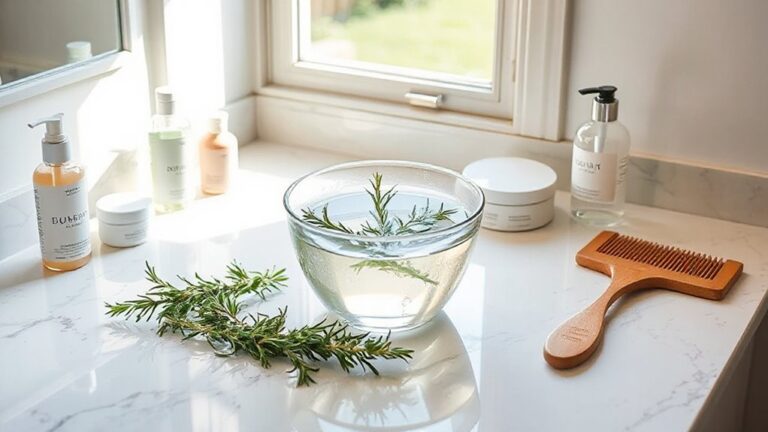

How to Treat Oily Scalp Naturally?
If you’re struggling with an oily scalp, you’re not alone. Many people face this issue, and fortunately, there are natural methods that can help. From choosing the right shampoo to incorporating beneficial oils, you can find a routine that works for you. Understanding the causes behind your oily scalp is essential, and there are simple dietary changes you can make as well. Curious about the best practices and ingredients to balance your scalp’s oiliness?
How To Treat Oily Scalp Naturally: What Are The Best Methods?
If you’re struggling with an oily scalp, you’re not alone; many people face this issue at some point.
To treat it naturally, start by using a gentle, sulfate-free shampoo that won’t strip your scalp’s natural oils. Incorporate a clarifying rinse—like diluted apple cider vinegar—into your routine weekly.
Try tea tree oil for its antibacterial properties; mix a few drops with your shampoo. Regularly massage your scalp with natural oils like jojoba, which can help balance oil production.
Finally, maintain a healthy diet rich in omega-3s and avoid heavy products that can exacerbate oiliness, keeping your scalp fresh and clean.
What Causes An Oily Scalp And Why Is It Important To Address?
An oily scalp can be frustrating, often leading to discomfort and unwanted hair issues. Several factors contribute to this, including overactive sebaceous glands, hormonal changes, and even stress.
When your scalp produces excess oil, it can result in greasy hair, dandruff, and irritation. Addressing this issue is essential because a healthy scalp promotes ideal hair growth and overall hair health.
Ignoring an oily scalp can lead to clogged pores and increased chances of scalp conditions. By understanding the causes, you can take effective steps to manage oiliness, maintaining the balance necessary for both your scalp and hair health.
How Can Diet Influence An Oily Scalp?
Diet plays an essential role in the health of your scalp, as the foods you consume can directly impact oil production. Eating a balanced diet rich in omega-3 fatty acids, antioxidants, and vitamins can help regulate sebum production.
Incorporate foods like fatty fish, nuts, fruits, and leafy greens to keep your scalp nourished. Additionally, reducing sugary, fried, and processed foods can minimize excess oiliness.
Staying hydrated is vital too, as water helps maintain overall skin health. By making mindful dietary choices, you can promote a balanced scalp and potentially reduce unwanted oiliness.
What Natural Ingredients Help To Balance Scalp Oiliness?
To effectively balance scalp oiliness, incorporating natural ingredients into your hair care routine can make a significant difference.
Tea tree oil is a powerful option; its antimicrobial properties help reduce excess oil. Aloe vera soothes the scalp and regulates oil production, while witch hazel acts as a natural astringent, tightening pores and controlling sebum.
Apple cider vinegar balances the scalp’s pH, reducing oiliness and adding shine. You can also try peppermint oil for its invigorating feel and ability to stimulate circulation.
Finally, lemon juice’s acidity helps cut through oil, leaving your scalp feeling clean and fresh.
How Often Should You Wash Your Hair If You Have An Oily Scalp?
Finding the right natural ingredients can help manage an oily scalp, but knowing how often to wash your hair is just as important.
Ideally, you should wash your hair every other day or even daily, depending on how oily your scalp gets. Here are some tips to contemplate:
- Use a gentle, sulfate-free shampoo to avoid stripping natural oils.
- Pay attention to your scalp’s condition; adjust washing frequency as needed.
- Avoid overwashing, which can trigger more oil production.
- Consider using dry shampoo between washes for a quick refresh.
Finding the right balance will keep your scalp healthy and clean.
What Home Remedies Can Help Reduce Oiliness On The Scalp?
If you’re struggling with an oily scalp, several home remedies can effectively help reduce excess oil.
Try using apple cider vinegar as a rinse; it balances your scalp’s pH and removes buildup. You can also apply aloe vera gel directly to your scalp for its soothing properties.
Another option is to mix lemon juice with water and massage it into your scalp to cut through grease. Alternatively, using tea tree oil diluted in a carrier oil can help control oil production.
Incorporating these remedies into your routine may leave your scalp feeling fresher and less oily.
Are There Lifestyle Changes That Can Improve Scalp Oiliness?
How can simple lifestyle changes help manage an oily scalp? By making a few adjustments, you can greatly reduce oiliness. Here are some effective strategies to contemplate:
- Stay Hydrated: Drink plenty of water to keep your scalp balanced.
- Mind Your Diet: Limit greasy foods and increase fruits and vegetables for better scalp health.
- Manage Stress: Practice relaxation techniques like yoga or meditation to reduce oil production linked to stress.
- Choose the Right Hair Products: Use lightweight, oil-free shampoos and conditioners to avoid excess buildup.
Incorporating these changes can lead to a healthier, less oily scalp.
How Can Regular Scalp Care Routine Help With Oily Scalp?
Regular scalp care can markedly reduce oiliness, especially when you make it a consistent part of your routine.
By cleansing your scalp regularly with a gentle shampoo, you remove excess sebum and prevent buildup. Incorporating exfoliation helps eliminate dead skin cells, promoting a healthier scalp environment.
Additionally, using natural treatments like tea tree oil or apple cider vinegar can balance oil production. You’ll also want to avoid heavy products that can weigh down your hair and contribute to greasiness.
Stick to your routine, and you’ll notice a significant improvement in oiliness, leading to a fresher, healthier scalp.