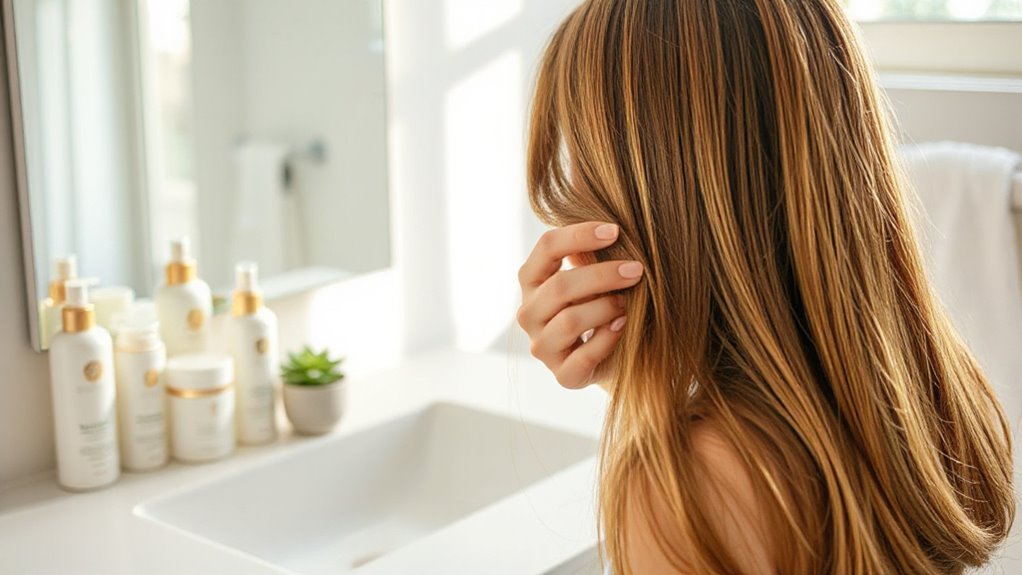
How to Stop Seasonal Hair Loss Easily?
Are you noticing more hair in your brush during certain seasons? You’re not alone. Seasonal hair loss affects many people, but there are simple strategies you can implement to combat it. From nutrition to gentle hair care routines, small changes can make a big difference. Curious about the best approaches to tackle this issue? Let’s explore the underlying causes and effective methods to keep your hair healthy all year round.
How To Stop Seasonal Hair Loss Easily: Tips And Tricks
If you’re noticing more hair on your brush during certain seasons, you’re not alone. To tackle seasonal hair loss, start by adjusting your diet. Incorporate more vitamins and minerals, like biotin and zinc, to promote hair health.
Stay hydrated; drinking plenty of water helps maintain moisture in your hair. Regular scalp massages can stimulate blood circulation and encourage growth.
Consider using a gentle shampoo and conditioner, avoiding harsh chemicals. Additionally, try to manage stress through relaxation techniques like yoga or meditation.
Finally, don’t hesitate to consult a dermatologist for personalized advice and effective treatments tailored to your needs.
What Causes Seasonal Hair Loss?
Understanding what causes seasonal hair loss can help you better manage it. Several factors contribute to this frustrating issue:
- Temperature Changes: As seasons shift, temperature fluctuations can stress your hair follicles, leading to increased shedding.
- Hormonal Shifts: Changes in daylight hours affect hormone levels, particularly melatonin and androgens, which can influence hair growth cycles.
- Nutritional Deficiencies: Seasonal diets may lack essential vitamins and minerals, impacting hair health and leading to temporary hair loss.
Recognizing these causes empowers you to take proactive steps, ensuring your hair remains healthy throughout the year.
How Does Seasonal Hair Loss Affect Men And Women?
How does seasonal hair loss impact men and women differently?
For men, it often manifests as thinning at the crown or receding hairlines, which can lead to early baldness and affect self-esteem.
Women, on the other hand, might experience diffuse thinning, which can create a more noticeable impact on their overall appearance.
Hormonal fluctuations can further exacerbate these differences, as women may notice changes tied to their menstrual cycles or menopause.
Both genders may feel stressed about hair loss, but societal pressures can weigh heavier on women, making the emotional toll of seasonal hair loss more pronounced for them.
What Are The Signs Of Seasonal Hair Loss?
Recognizing the signs of seasonal hair loss can help you take proactive steps to manage it.
You might notice specific indicators that suggest your hair is thinning due to the changing seasons.
Pay attention to the following signs:
- Increased Shedding: You find more hair on your brush or in the shower drain than usual.
- Thinner Ponytail: Your ponytail feels less full or sparse than it did previously.
- Scalp Visibility: You can see more of your scalp when looking in the mirror, particularly at the crown.
Identifying these signs early can help you take action and minimize further loss.
How Can Nutrition Help Stop Seasonal Hair Loss?
Since the nutrients you consume play an essential role in your overall hair health, focusing on a balanced diet can greatly help combat seasonal hair loss.
Incorporate foods rich in vitamins A, C, D, and E, along with iron, zinc, and omega-3 fatty acids. These nutrients promote hair growth and strengthen your strands.
Don’t forget to stay hydrated, as water is crucial for maintaining scalp health. Including lean proteins like fish, beans, and nuts can also support hair structure.
What Home Remedies Can Help Prevent Seasonal Hair Loss?
Incorporating a balanced diet is just one way to support your hair health; home remedies can also play a significant role in preventing seasonal hair loss.
Here are three effective remedies you can try at home:
- Aloe Vera: Apply fresh aloe vera gel to your scalp to soothe irritation and promote hair growth.
- Coconut Oil: Massage warm coconut oil into your hair for deep conditioning and nourishment.
- Onion Juice: Use onion juice as a topical treatment to boost circulation and encourage hair regrowth.
These simple solutions can help you maintain healthy hair throughout the changing seasons.
When Should You Consult A Doctor About Hair Loss?
When should you consider seeing a doctor about hair loss? If you notice excessive shedding, like clumps of hair in your brush or on your pillow, it’s time to seek help.
Also, if you experience sudden bald spots or thinning patches, don’t hesitate to consult a professional.
Changes in your scalp, such as itching or redness, could indicate an underlying condition.
Additionally, if your hair loss persists despite trying home remedies, it’s wise to get a second opinion.
Are There Any Effective Treatments For Seasonal Hair Loss?
How can you effectively tackle seasonal hair loss? There are several treatments you can try to minimize its impact. Consider the following options:
- Nutritional Supplements: Boost your diet with vitamins like biotin and iron to strengthen hair follicles.
- Topical Treatments: Use products containing minoxidil, which can stimulate hair growth and improve thickness.
- Stress Management: Incorporate relaxation techniques such as meditation or yoga to reduce stress, which can exacerbate hair loss.