How to Stop Postpartum Hair Loss Naturally?
If you’re experiencing postpartum hair loss, you’re not alone. Many new parents face this challenge, and it can be disheartening. Thankfully, there are natural ways to address this issue. By focusing on your diet, hydration, and stress management, you can support your hair’s health during this pivotal time. Curious about which specific nutrients and remedies can make a difference? Let’s explore effective strategies to help you regain your hair’s health.
How To Stop Postpartum Hair Loss Naturally
Although postpartum hair loss can be distressing, there are natural ways to help combat it. Start by incorporating a balanced diet rich in vitamins and minerals, focusing on foods high in biotin, iron, and omega-3 fatty acids.
Stay hydrated, as proper hydration promotes hair health. Regular scalp massages can stimulate blood flow and encourage growth, so try making it a routine.
Additionally, consider using gentle, natural hair care products to avoid further damage.
Finally, manage stress through activities like yoga or meditation, as reducing stress can positively impact your overall well-being and help minimize hair loss.
What Are The Causes Of Postpartum Hair Loss?
Postpartum hair loss occurs due to hormonal fluctuations that happen after childbirth. As your body adjusts to new hormone levels, it can lead to temporary hair thinning.
Here are three main causes you should be aware of:
- Estrogen Drop: After delivery, estrogen levels fall, which can trigger hair shedding.
- Stress: The physical and emotional stress of childbirth can contribute to hair loss.
- Nutritional Deficiencies: Changes in diet or increased nutritional needs during breastfeeding may lead to deficiencies affecting hair health.
Understanding these causes can help you manage and mitigate postpartum hair loss effectively.
How Do Hormonal Changes Affect Hair Growth?
Hormonal changes play an essential role in regulating hair growth, especially during the postpartum period.
After giving birth, your body experiences a drop in estrogen and progesterone levels, which can lead to increased hair shedding. Normally, these hormones prolong the hair growth cycle, but their decrease can disrupt this balance. You might notice your hair thinning or falling out more than usual.
Additionally, stress and fatigue from caring for a newborn can further impact your hair health. Understanding these hormonal shifts can help you manage your expectations and seek effective solutions for postpartum hair loss.
What Natural Remedies Can Help With Hair Loss?
While hair loss can be distressing after giving birth, there are several natural remedies you can try to promote healthier hair growth.
Here are three effective options:
- Aloe Vera: Apply aloe vera gel to your scalp to soothe irritation and stimulate hair follicles.
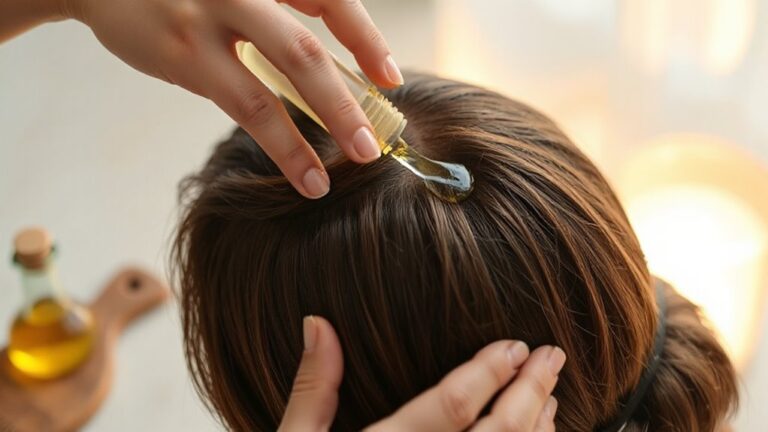
- Essential Oils: Mix a few drops of rosemary or lavender oil with a carrier oil and massage it into your scalp to improve circulation.
- Scalp Massage: Regularly massaging your scalp can enhance blood flow, encouraging hair growth and relaxation.
Incorporating these remedies can help you regain confidence and support your hair during this challenging time.
How Important Is Nutrition For Postpartum Hair Health?
Nutrition plays an essential role in maintaining healthy hair after giving birth, as the body needs crucial nutrients to support recovery and growth. A balanced diet rich in proteins, healthy fats, and whole grains can help strengthen your hair.
Incorporating fruits and vegetables provides antioxidants and vitamins that promote hair health. Staying hydrated is equally important, as water helps maintain scalp moisture.
Are There Specific Vitamins For Hair Regrowth?
What vitamins can you turn to for boosting hair regrowth after childbirth? Incorporating specific vitamins into your diet can greatly enhance your hair’s health.
Here are three essential ones to contemplate:
- Biotin – Supports keratin production, promoting stronger hair.
- Vitamin D – Helps create new hair follicles, encouraging growth.
- Vitamin E – Improves blood circulation to the scalp, nourishing hair roots.
What Lifestyle Changes Can Support Healthy Hair Growth?
To foster healthy hair growth after childbirth, making certain lifestyle changes can be just as important as adding vitamins to your routine.
Start by managing stress through activities like yoga or meditation. Regular exercise boosts circulation, promoting nutrient delivery to your hair follicles.
Make sure you get enough sleep to support overall recovery. Eating a balanced diet rich in protein, healthy fats, and iron fuels hair growth.
Stay hydrated, as water plays an essential role in maintaining hair health. Finally, avoid harsh hair treatments and minimize heat styling to reduce damage.
These changes can greatly enhance your hair’s vitality and resilience.
When Should You Seek Professional Help For Hair Loss?
Although shedding some hair after childbirth is normal, there are times when it’s wise to seek professional help.
If you notice any of the following signs, don’t hesitate to consult a healthcare provider:
- Excessive Shedding: If you’re losing more than 100 strands a day consistently, it’s time to investigate further.
- Bald Patches: The appearance of bald spots or thinning areas can indicate an underlying condition.
- Other Symptoms: If you experience scalp irritation, itchiness, or changes in your skin, it’s essential to seek advice.
Taking action early can help you manage postpartum hair loss effectively.