How to Stop Hair Fall and Strengthen Roots?
If you’re struggling with hair fall and looking to strengthen your roots, you’re not alone. Many factors contribute to this issue, from stress to dietary choices. Adopting a holistic approach that combines proper hair care with nutritional support can make a difference. You might be surprised by how simple changes can lead to healthier hair. Let’s explore the common causes and effective strategies to tackle this problem head-on.
How To Stop Hair Fall And Strengthen Roots
To stop hair fall and strengthen your roots, it’s essential to adopt a holistic approach that combines proper hair care with a nutritious diet.
Start by using gentle shampoos and conditioners that nourish your scalp. Avoid excessive heat styling and harsh chemicals, as they can weaken your hair.
Incorporate foods rich in vitamins and minerals, like leafy greens, nuts, and fish, to support hair health from the inside.
Don’t forget to stay hydrated; water plays a significant role in maintaining hair strength.
Regular scalp massages can enhance blood circulation, promoting healthier roots and reducing hair fall effectively.
What Are The Common Causes Of Hair Fall?
While many factors can contribute to hair fall, understanding the common causes is essential for addressing the issue effectively.
Genetics plays a significant role; if your family has a history of hair loss, you might be more susceptible. Hormonal changes, such as those during pregnancy or menopause, can also lead to shedding.
Certain medical conditions, including thyroid disorders and autoimmune diseases, may affect your hair’s health. Additionally, improper hair care routines, like excessive heat styling or tight hairstyles, can weaken your strands.
Recognizing these causes is the first step toward finding solutions and preventing further hair loss.
How Do Stress And Diet Affect Hair Health?
Stress and diet greatly impact hair health, often intertwining in ways that can exacerbate hair loss.
When you’re stressed, your body produces hormones like cortisol, which can disrupt hair growth cycles and lead to thinning. An unbalanced diet, lacking essential nutrients, can further weaken your hair.
If you don’t get enough vitamins and minerals, such as iron, zinc, and biotin, your hair may suffer. Prioritizing a healthy diet rich in these nutrients, along with managing stress through relaxation techniques, can help you maintain stronger, healthier hair.
Addressing both factors is vital for promoting ideal hair health.
What Are The Best Natural Remedies For Hair Fall?
Finding effective ways to combat hair fall can be empowering, especially after addressing the impacts of stress and diet on hair health.
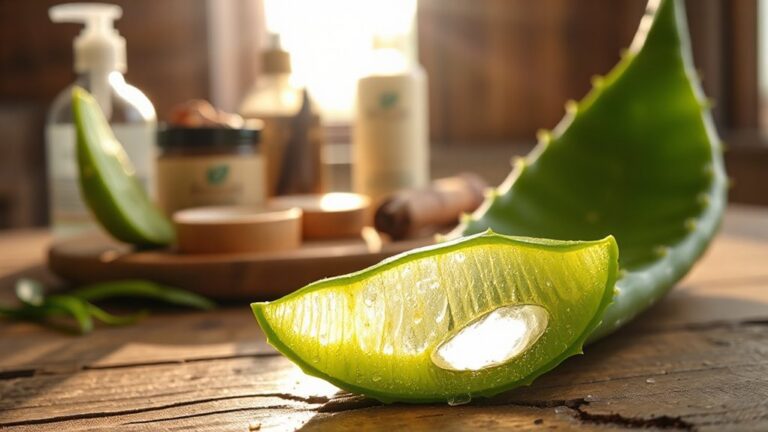
Natural remedies can considerably enhance your hair’s vitality. Consider using aloe vera, known for its soothing and nourishing properties. Massaging your scalp with coconut oil boosts circulation and strengthens roots.
Additionally, a mixture of fenugreek seeds soaked overnight can rejuvenate hair follicles. You might also try a hair mask made from ripe bananas and honey, which provide essential nutrients.
Incorporating these remedies into your routine can help you regain confidence and promote healthier, stronger hair.
How Can You Incorporate Essential Oils For Stronger Hair?
Incorporating essential oils into your hair care routine can greatly enhance your hair’s strength and health.
Start by choosing oils like rosemary, lavender, or peppermint, known for their stimulating properties. Mix a few drops with a carrier oil, such as coconut or jojoba oil.
Apply the blend to your scalp and massage it in for a few minutes to boost circulation. You can also add a few drops to your shampoo or conditioner for added benefits.
Aim to do this two to three times a week for ideal results. You’ll notice stronger, healthier hair with consistent use.
What Role Do Vitamins And Minerals Play In Preventing Hair Loss?
Maintaining strong, healthy hair goes beyond just topical treatments; your diet plays a significant role too. Essential vitamins and minerals nourish your hair follicles, promoting growth and reducing hair loss.
Here’s what you need to include in your diet:
- Biotin: Supports keratin production, essential for hair strength.
- Vitamin D: Stimulates hair follicle growth and may help prevent hair thinning.
- Iron: Improves blood circulation to the scalp, ensuring nutrients reach hair roots.
- Zinc: Aids in tissue growth and repair, keeping hair healthy.
Incorporating these nutrients can make a big difference in your hair health.
How To Create A Healthy Hair Care Routine?
Creating a healthy hair care routine can greatly enhance your hair’s vigor and appearance.
Start by choosing a gentle shampoo that suits your hair type, washing your hair two to three times a week. Follow with a nourishing conditioner to keep your hair hydrated.
Incorporate a deep conditioning treatment weekly for added moisture. Limit heat styling, and always use a heat protectant when necessary.
Don’t forget to trim your hair regularly to eliminate split ends. Finally, maintain a balanced diet rich in vitamins and minerals to support hair health from within.
Consistency is key to achieving beautiful, strong hair!
What Professional Treatments Are Available For Hair Fall?
If you’re struggling with hair fall, professional treatments can offer effective solutions tailored to your specific needs.
Here are some options you might consider:
- Platelet-Rich Plasma (PRP) Therapy: This treatment uses your blood to stimulate hair growth.
- Hair Transplant Surgery: A surgical option where hair follicles are transplanted to thinning areas.
- Laser Therapy: Non-invasive treatment that uses lasers to promote hair growth.
- Minoxidil and Finasteride: Prescription medications that can help slow hair loss and promote regrowth.
Consult a specialist to determine the best course of action for your hair fall concerns.