How to Remove Scalp Flakes Naturally?
Dealing with scalp flakes can be frustrating, but natural remedies may offer a solution. You might find that common ingredients in your kitchen can help restore balance to your scalp. From tea tree oil‘s antifungal benefits to the soothing properties of aloe vera, there’s a range of options to explore. Curious about which methods work best and how to incorporate them into your routine? Let’s uncover some effective strategies together.
How To Remove Scalp Flakes Naturally: Effective Methods To Try
If you’re dealing with pesky scalp flakes, you’re not alone. Thankfully, there are natural methods you can try to alleviate this issue.
Start by incorporating tea tree oil into your routine; its antifungal properties can help combat flakes. You might also want to use apple cider vinegar as a rinse; it balances your scalp’s pH and clears away buildup.
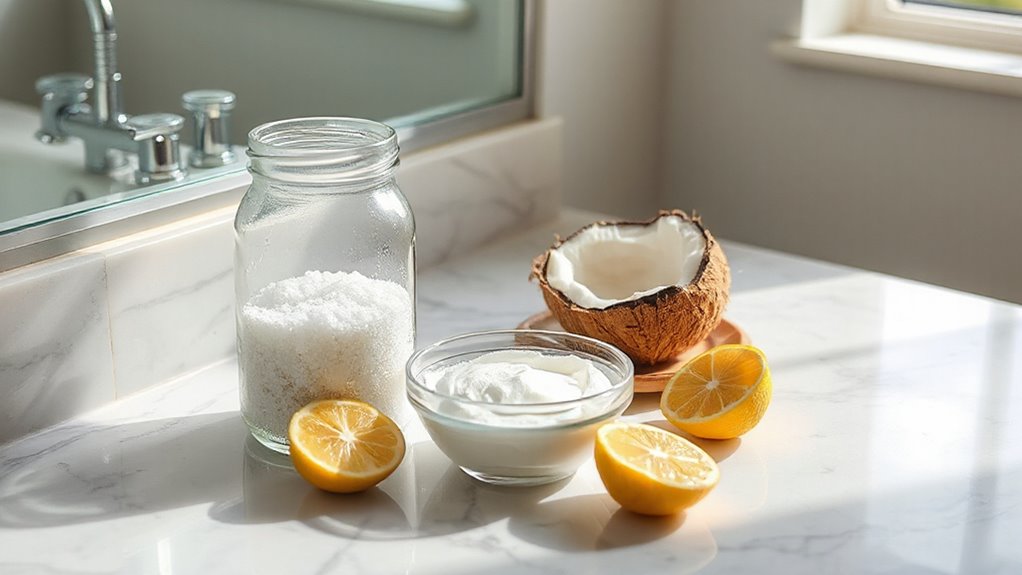
Consider massaging coconut oil into your scalp for hydration and nourishment. Additionally, a gentle exfoliation with sugar can remove dead skin cells.
These methods can make a noticeable difference, helping you achieve a healthier, flake-free scalp.
What Causes Scalp Flakes And How Can You Identify Them?
Scalp flakes can stem from various causes, and understanding these factors can help you tackle the problem effectively.
Common culprits include dry skin, dandruff, psoriasis, and eczema. If your flakes are small and dry, it might be due to dryness, while larger, oily flakes often indicate dandruff.
Pay attention to any redness or itching, as these symptoms can signal a scalp condition like psoriasis.
Identifying the type of flakes is essential; observe their size, texture, and associated symptoms. By recognizing these signs, you’ll be better equipped to address your scalp flakes and find an appropriate solution.
Are There Natural Ingredients That Help Combat Scalp Flakes?
Wondering how to tackle those pesky scalp flakes naturally? You might want to try ingredients like aloe vera, which soothes and moisturizes your scalp, reducing irritation.
Coconut oil is another great option; its antifungal properties combat dryness while nourishing your hair. Tea tree oil can also help due to its antibacterial qualities, just remember to dilute it before use.
Oatmeal acts as a gentle exfoliant, calming inflammation and absorbing excess oil. Finally, apple cider vinegar balances your scalp’s pH, promoting a healthier environment.
Incorporating these natural ingredients into your routine can help you combat those annoying flakes effectively.
How Can Essential Oils Alleviate Scalp Flake Issues?
Natural ingredients can provide great relief for scalp flake issues, but essential oils take it a step further. They not only soothe irritation but also promote a healthier scalp.
Here’s how they help:
- Moisturize: Oils like jojoba and argan deeply hydrate your scalp, reducing dryness that leads to flakes.
- Antimicrobial: Tea tree oil fights bacteria and fungi, helping to prevent dandruff and keep your scalp clean.
- Stimulate Growth: Peppermint oil increases circulation, potentially encouraging hair growth while maintaining scalp health.
Incorporating essential oils can be a game-changer for your scalp care routine.
What Home Remedies Can Soothe An Irritated Scalp?
Finding relief from an irritated scalp can feel like a challenging task, but several effective home remedies can ease your discomfort.
Try massaging aloe vera gel onto your scalp; its soothing properties reduce irritation. Coconut oil is another great option—apply it to moisturize and calm inflammation.
For a cooling effect, mix apple cider vinegar with water and use it as a rinse after shampooing. You might also consider herbal teas like chamomile, which can soothe your scalp when applied topically.
Finally, remember to keep your scalp clean and avoid harsh products that can exacerbate irritation.
How Do Dietary Changes Impact Scalp Health And Flaking?
While many factors contribute to scalp health, dietary changes can play a significant role in reducing flaking and irritation.
By adjusting your diet, you can nourish your scalp from within. Here are three dietary changes to take into account:
- Increase Omega-3 Fatty Acids: Foods like salmon, walnuts, and flaxseeds can help reduce inflammation and promote scalp health.
- Incorporate Antioxidants: Fruits and vegetables rich in vitamins C and E can protect your scalp and skin from damage.
- Stay Hydrated with Nutrient-Rich Foods: Opt for hydrating foods like cucumbers and oranges to maintain overall scalp moisture.
Making these changes can lead to a healthier scalp.
Why Is Hydration Important For Preventing Scalp Flakes?
Hydration plays an essential role in maintaining a healthy scalp and preventing flakes. When you stay hydrated, your skin, including your scalp, retains moisture, which helps keep it soft and supple.
Dehydration can lead to dryness, causing your scalp to become flaky and irritated. Drinking enough water supports blood circulation, delivering crucial nutrients to your scalp and promoting healthy hair growth.
Additionally, hydration helps balance your scalp’s natural oils, preventing overproduction that can contribute to dandruff.
Are There Lifestyle Changes That Can Reduce Scalp Flaking?
What simple lifestyle changes can you make to reduce scalp flaking?
Start by adjusting your daily habits. Here are three effective changes:
- Maintain a Balanced Diet: Incorporate foods rich in omega-3 fatty acids and vitamins A, D, and E to nourish your scalp from within.
- Reduce Stress: Engage in relaxation techniques like yoga or meditation to help lower stress levels, which can contribute to flaking.
- Limit Hair Product Use: Cut back on styling products that can irritate your scalp and worsen flaking.