How to Know Hair Texture in Minutes?
Identifying your hair texture can seem intimidating, but it doesn’t have to be. With just a few simple steps, you can uncover your hair’s unique characteristics in minutes. Start by washing your hair and letting it air dry—this reveals its true nature. Curious about how your strands behave and what that means for your hair care routine? Let’s explore the nuances of hair texture and how it affects your styling choices.
How To Know Hair Texture In Minutes
How can you quickly determine your hair texture? Start by washing your hair and letting it air dry without any products.
Once dry, observe its natural state. Feel the strands; if they’re fine and silky, you likely have straight hair. If they’re bouncy or have a slight wave, you probably have wavy hair.
For thicker strands with curls or coils, you’re likely dealing with curly or coily hair. To double-check, grab a small section and twist it; if it holds the shape, you’ve got curls.
This hands-on approach gives you a clear sense of your hair texture in just minutes!
What Are The Different Types Of Hair Texture?
After identifying your hair texture, it helps to know the different types.
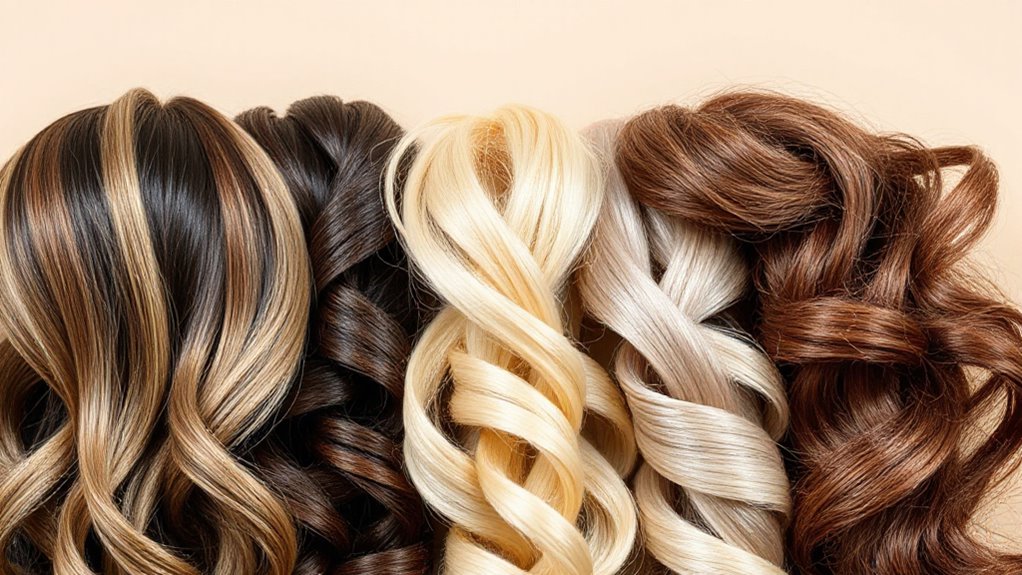
Hair typically falls into four main categories: straight, wavy, curly, and coily.
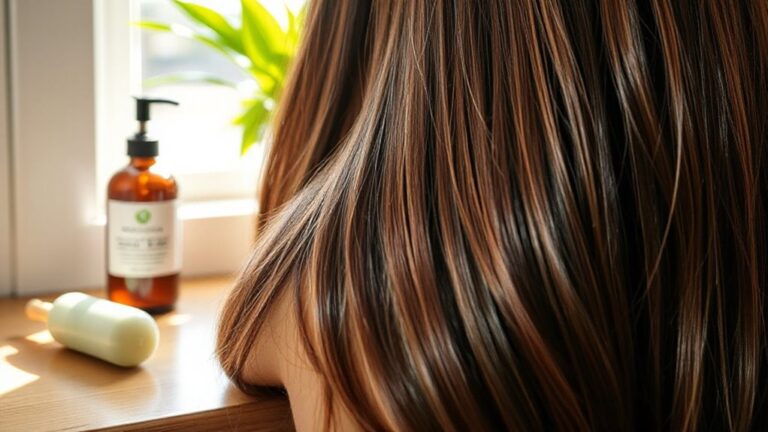
Straight hair lies flat and tends to be shiny.
Wavy hair has a gentle S-shape, offering more volume.
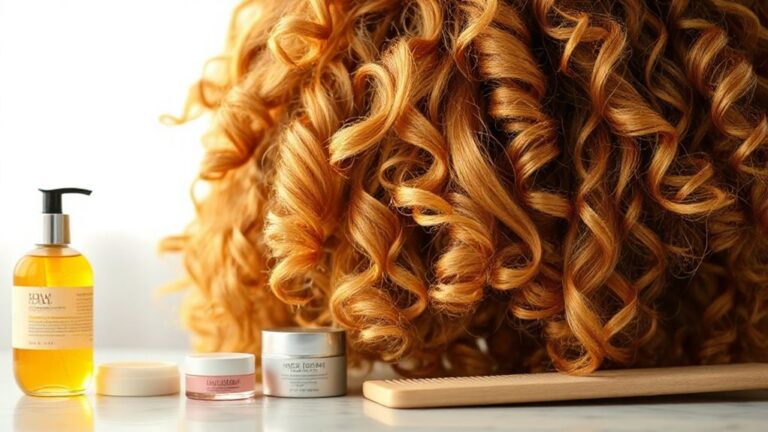
Curly hair forms defined spirals or ringlets, showcasing bounce and texture.
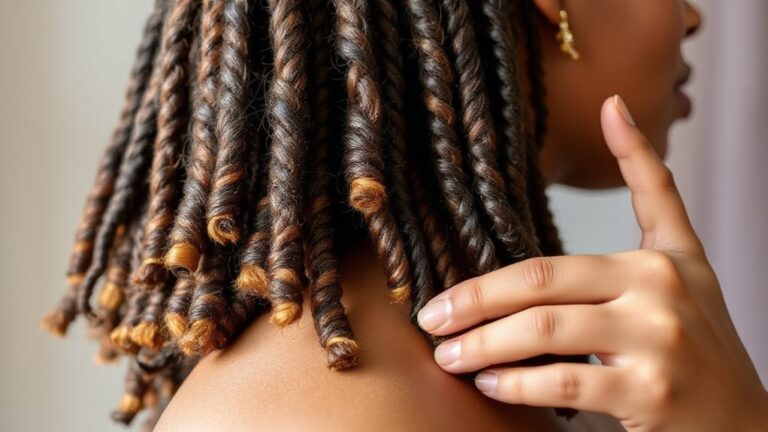
Coily hair, often tightly coiled, can appear fluffy and has a lot of volume.
Each type can further vary in thickness and porosity.
Understanding these distinctions allows you to choose the right products and styling techniques tailored to your specific hair texture.
Why Is Knowing Your Hair Texture Important?
Knowing your hair texture is essential because it directly impacts how you care for and style your hair. Understanding whether your hair is straight, wavy, curly, or coily helps you choose the right products and techniques for maintenance.
For instance, thicker textures might need heavier moisturizers, while finer types benefit from lightweight formulas. Style choices also depend on texture; some hairstyles work better with certain hair types.
Plus, recognizing your hair’s unique characteristics can prevent damage and promote healthy growth. Overall, knowing your hair texture empowers you to make informed decisions for a look that suits you best.
How To Identify Your Hair Texture At Home?
Wondering how to determine your hair texture at home? Start by washing your hair with a gentle shampoo and letting it air dry without any products.
Once dry, take a close look at your strands. If they’re fine and delicate, you’ve got straight or wavy hair. If your hair feels coarse and thick, it’s likely curly or coily.
You can also perform the “strand test” by taking a single hair and wrapping it around your finger. If it wraps easily, it’s fine; if it takes effort, it’s thick.
Trust your observations, and soon, you’ll identify your hair texture confidently!
What Tools Are Helpful For Determining Hair Texture?
Identifying your hair texture is easier with the right tools at your disposal.
Here are four essential items to help you determine your hair type:
- Comb: A wide-tooth comb helps you see how your hair reacts to detangling.
- Measuring Tape: Use it to measure the diameter of a single strand to distinguish fine, medium, or coarse textures.
- Water: Spritzing your hair with water can reveal how it absorbs moisture.
- Mirror: A good-quality mirror allows you to examine your hair’s natural pattern and shine closely.
With these tools, you’ll quickly identify your unique hair texture!
How To Assess Hair Texture Based On Moisture Levels?
How can you tell if your hair texture is dry, normal, or oily? Start by evaluating how your hair feels.
If it feels brittle, lacks shine, and breaks easily, it’s likely dry. On the other hand, if your hair looks shiny and feels slick, it’s probably oily.
Normal hair strikes a balance; it feels smooth and has a healthy sheen without excessive oiliness.
You can also do the “tissue test” by rubbing a tissue on your scalp and checking for oil. This quick evaluation helps you determine your hair’s moisture levels and understand its texture better.
What Are Common Mistakes When Identifying Hair Texture?
Many people misjudge their hair texture, often overlooking key factors that play a significant role in its true nature.
Here are some common mistakes you might make:
- Ignoring Hair Porosity: Not considering how your hair absorbs and retains moisture can lead to misidentification.
- Relying Solely on Curl Pattern: Focusing only on curls can ignore other essential textures like straight or wavy.
- Overlooking Thickness: Mistaking fine hair for coarse hair can change your hair care approach.
- Comparing to Others: Everyone’s hair is unique; don’t base your assessment solely on someone else’s texture.
How To Adapt Your Hair Care Routine To Your Texture?
Understanding your hair texture is essential for tailoring your hair care routine effectively, as different textures require distinct approaches.
If you have straight hair, focus on lightweight products to maintain shine without weighing it down.
For wavy hair, use moisturizing products that enhance your natural texture while minimizing frizz.
If your hair is curly, opt for rich creams to define curls and provide hydration.
If it’s coily, prioritize deep conditioning treatments to maintain moisture and elasticity.
Always adapt your frequency of washing and styling techniques based on your hair’s specific needs to keep it healthy and vibrant.