
How to Dye Gray Hair Naturally at Home?
If you’re looking to dye your gray hair naturally at home, you’ve got some great options to contemplate. From henna to coffee, these natural ingredients can help you achieve a vibrant look without harsh chemicals. But before you jump in, it’s important to understand the preparation process and the best techniques for application. Let’s explore how to get started and what you need for a successful transformation.
How To Dye Gray Hair Naturally At Home
If you’re looking to embrace a more youthful look without harsh chemicals, dyeing your gray hair naturally at home is a great option.
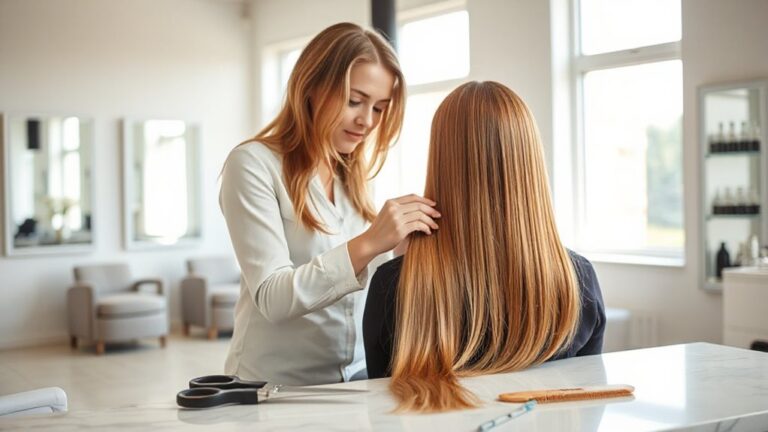
Start by choosing a quiet space where you can work comfortably. Gather your ingredients and tools, like a mixing bowl and applicator brush.
Before application, do a strand test to verify you’re happy with the color. Apply your mixture evenly, focusing on the gray areas.
Let it sit for the recommended time, then rinse thoroughly with cool water.
Keep in mind that natural dyes often require more frequent applications, but the results can be beautifully vibrant and healthy-looking.
What Natural Ingredients Can Be Used For Dyeing Gray Hair?
Several natural ingredients can effectively dye gray hair, offering a healthier alternative to chemical options.
You can experiment with these options to achieve the color you desire:
- Henna: Provides a rich, reddish-brown hue.
- Coffee: Deepens color while adding shine and softness.
- Black Tea: Darkens hair and enhances natural tones.
- Beet Juice: Offers a vibrant, reddish tint without harsh chemicals.
- Carrot Juice: Gives a warm, golden-orange shade.
Try mixing these ingredients for a custom hair dye that suits your style and needs!
How Do You Prepare Natural Hair Dyes?
Preparing natural hair dyes is a straightforward process that allows you to customize color while avoiding harsh chemicals.
Start by selecting your base ingredient, like henna, coffee, or beet juice, depending on the desired shade. Next, combine your chosen ingredient with water to create a paste.
For added benefits, consider mixing in oils, such as coconut or olive oil, to nourish your hair. Let the mixture sit for a while to enhance the color.
Finally, perform a patch test to verify you’re not allergic, and you’re ready to use your natural dye for a healthy, vibrant hair color!
What Are The Best Techniques For Applying Natural Hair Dye?
After you’ve prepared your natural hair dye, applying it correctly is key to achieving the best results.
Here are some techniques to guarantee even coverage and vibrant color:
- Section your hair into manageable parts for precise application.
- Use a brush to apply dye evenly, focusing on roots first.
- Wear gloves to protect your hands and avoid staining.
- Use a comb to distribute the dye through your hair, guaranteeing every strand is covered.
- Check for consistency by adjusting the dye mixture as needed.
Following these techniques will help you achieve a beautiful, natural look with your dye!
How Long Should Natural Hair Dye Be Left In?
How long should you leave natural hair dye in for best results? Generally, you should leave the dye in for 30 to 60 minutes.
This timeframe allows the color to penetrate your hair effectively, ensuring a vibrant finish. However, it’s essential to follow the specific instructions provided with your dye, as different natural ingredients may have varying processing times.
If you’re using a homemade dye, consider conducting a strand test first to see how long it takes for the desired shade.
Always keep an eye on the clock, as leaving it in too long can lead to unexpected results.
What Aftercare Is Needed For Naturally Dyed Hair?
What should you do to maintain the vibrancy of your naturally dyed hair?
After dyeing, it’s essential to adopt a solid aftercare routine. Here are some tips to keep your color fresh and lively:
- Use sulfate-free shampoos to prevent color fading.
- Wash your hair with cool water to lock in moisture.
- Limit heat styling to avoid damage.
- Apply deep conditioning treatments weekly for hydration.
- Protect your hair from sun exposure with hats or UV sprays.
Are There Any Risks Or Precautions When Dyeing Gray Hair Naturally?
While dyeing gray hair naturally can be a rewarding experience, it’s important to stay aware of potential risks and precautions.
Always perform a patch test to check for allergies, as natural ingredients can still cause reactions. Some natural dyes might stain your skin or clothes, so wear gloves and old clothing.
Keep in mind that results may vary, and you mightn’t achieve the exact shade you desire. Additionally, certain natural dyes can dry your hair, so make certain you follow up with a deep conditioner.
Stay patient, and remember that achieving your desired color might take multiple applications.
Why Choose Natural Dyes Over Chemical Alternatives?
Choosing natural dyes over chemical alternatives can offer numerous benefits, especially if you’re concerned about the health of your hair and scalp.
Natural dyes, derived from plants and minerals, provide a gentler option with fewer harsh chemicals. Here are some reasons to take into account:
- Healthier hair: Natural ingredients nourish rather than damage.
- Fewer allergens: Lower risk of allergic reactions.
- Eco-friendly: Biodegradable and less harmful to the environment.
- Customizable shades: Mix and match for personalized colors.
- Long-lasting results: Many natural dyes provide vibrant, enduring hues.
Switching to natural dyes can transform your hair care routine!