How to Braid Hair Step by Step for Beginners?
Braiding hair can seem intimidating at first, but with a little practice, you’ll find it’s a skill worth mastering. Start by understanding the basic technique, and soon you’ll be able to create beautiful styles effortlessly. Knowing how to prepare the hair and what tools you’ll need can make all the difference. As you learn, you’ll discover various braiding techniques that can elevate your hairstyling game. Ready to reveal those secrets?
How To Braid Hair Step By Step For Beginners
Braiding hair might seem intimidating, but with just a few simple steps, you can master this skill in no time.
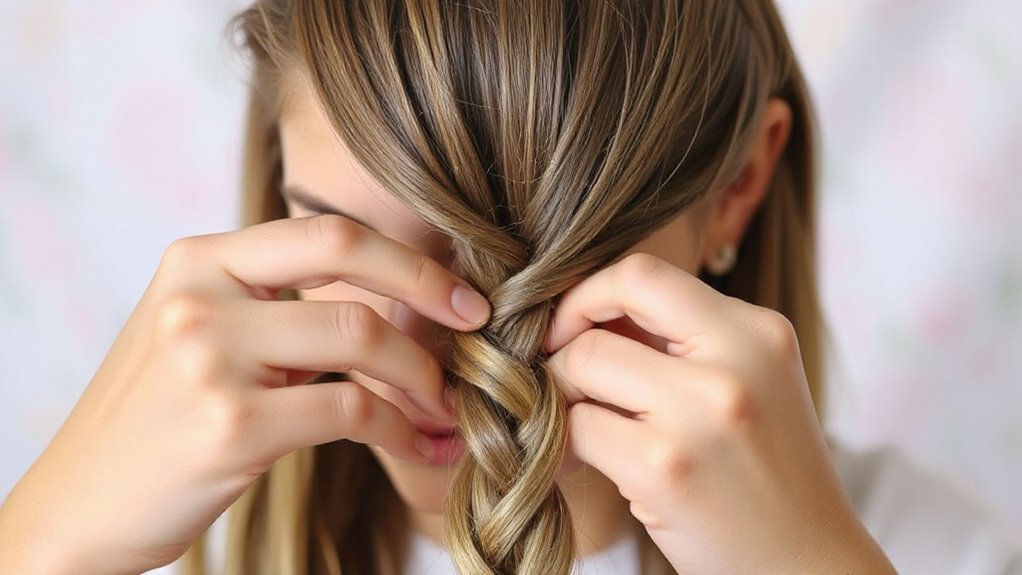
Start by gathering three even sections of hair. Hold the right section over the middle section, then move the left section to the center. Repeat this process, alternating sides until you reach the end. Keep the tension even to avoid a lumpy braid. Secure the end with a hair tie.
For added flair, gently pull at the braid’s edges to loosen it up. Practice makes perfect, so don’t hesitate to try different angles and styles as you gain confidence!
What Are The Different Types Of Braids?
Once you’ve mastered the basic braid, you might be curious about the various styles you can explore.
Here are three popular types of braids to try:
- French Braid: This classic style involves adding hair from the sides as you weave, creating a beautiful, integrated look.
- Dutch Braid: Similar to the French braid, but you weave the strands under, giving it a raised appearance.
- Fishtail Braid: This unique braid uses two sections instead of three, resulting in a textured, intricate design.
Experimenting with these styles will expand your braiding skills and keep things fun!
Why Is Learning To Braid Hair Important?
Learning to braid hair isn’t just a fun skill; it can also be incredibly practical. Mastering this technique allows you to easily manage your hair, especially on busy days when you need a quick and stylish solution.
It’s a great way to keep your hair out of your face during workouts or hot weather. Plus, braiding can elevate your look for special occasions, showcasing your creativity and personal style.
Whether you’re preparing for a night out or want to help a friend, being able to braid hair builds confidence and enhances your overall appearance.
What Tools Do You Need For Braiding Hair?
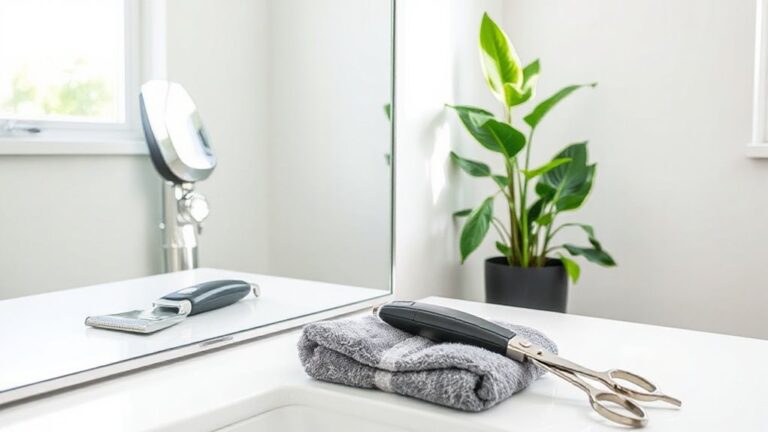
Having the right tools can make all the difference when it comes to braiding hair effectively. To get started, you’ll need a few essentials that guarantee a smooth process and great results.
Here’s a quick list of must-have tools:
- Hairbrush or Comb: This helps detangle your hair, making it easier to work with.
- Hair Ties: Use these to secure your braids and keep everything in place.
- Hair Clips: These are perfect for sectioning your hair, keeping it organized as you braid.
With these tools on hand, you’ll be well-equipped to create beautiful braids!
How To Prepare Hair For Braiding?
Preparing your hair properly can make a significant difference in how your braids turn out. Start by washing your hair to remove any dirt or product buildup, then condition it well to keep it soft and manageable.
Gently towel-dry your hair and comb through any knots using a wide-tooth comb. If your hair tends to frizz, you might want to apply a light leave-in conditioner or styling cream.
For the best results, consider braiding slightly damp hair; it holds styles better. Finally, section your hair into manageable parts to make the braiding process smoother and more efficient.
What Are The Basic Techniques For Braiding?
Mastering the basic techniques for braiding can elevate your hairstyling skills considerably.
To get started, focus on these key techniques:
- Sectioning Hair: Divide your hair into even sections to guarantee a neat braid. This helps maintain control and balance.
- Overlapping Strands: Cross the strands over each other, working from the outer sections to the center. This creates a secure and uniform braid.
- Tension Control: Keep an even tension while braiding to avoid loose sections. Consistent pressure results in a polished look.
With practice, these techniques will help you create beautiful braids effortlessly!
How To Troubleshoot Common Braiding Mistakes?
Sometimes, even experienced braiders face challenges that can lead to less-than-perfect results. If your braid looks uneven, try adjusting the tension on each strand. Too tight can cause pulling, while too loose may lead to gaps.
If hair slips out, use smaller sections or consider using a texturizing spray for better grip. When your braid starts to unravel, secure it with a small elastic before finishing.
If you notice frizz, smooth the strands with a bit of hair oil. Remember, practice makes perfect, so don’t get discouraged—keep experimenting until you find what works best for you!
What Are Some Creative Braiding Styles To Try?
Have you ever wanted to switch up your hairstyle with something unique? Creative braiding styles can add flair to your look.
Here are three fun options to try:
- Fishtail Braid: This intricate style looks complex but is surprisingly easy to master.
- Dutch Braid: Also known as an inverted braid, it pops out from your head, giving a 3D effect.
- Waterfall Braid: Perfect for special occasions, it incorporates cascading strands for a romantic vibe.
Experiment with these styles to express your personality and elevate your hair game!