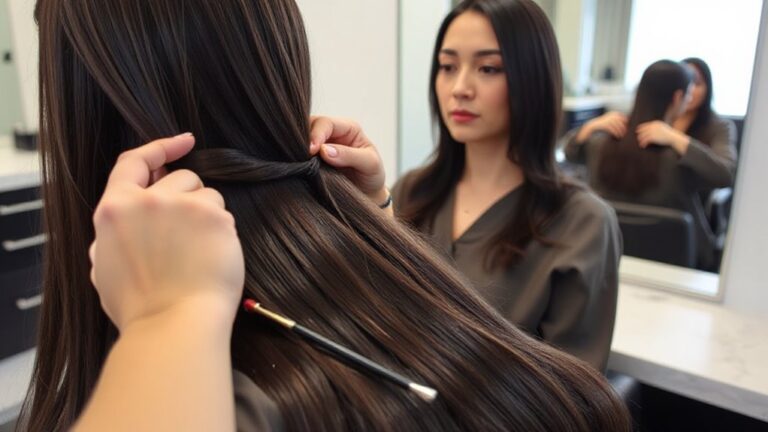

How to Balance Hair Moisture Levels?
Balancing your hair’s moisture levels is essential for maintaining its health and vigor. If you’ve noticed your hair feeling dry or overly oily, it might be time to reassess your routine. Understanding the right products and techniques can make a significant difference. So, how do you figure out what your hair truly needs? Let’s explore the fundamental steps to achieve that perfect moisture balance.
How To Balance Hair Moisture Levels: What You Need To Know
When it comes to achieving healthy hair, understanding how to balance moisture levels is essential.
Start by evaluating your hair type and its unique needs. Use a good shampoo that cleanses without stripping natural oils. Follow up with a moisture-rich conditioner to hydrate your strands.
Incorporate deep conditioning treatments regularly to maintain moisture. You might also consider using leave-in conditioners or hair oils for added hydration.
Be mindful of environmental factors like humidity and adjust your routine accordingly.
Finally, avoid excessive heat styling, as it can lead to dryness, throwing off your moisture balance. Stay consistent for the best results!
Why Is Hair Moisture Balance Important For Healthy Hair?
Maintaining the right moisture balance in your hair is essential for its overall health and appearance. When your hair’s moisture levels are balanced, it stays strong, shiny, and manageable.
Proper hydration helps prevent breakage and split ends, ensuring your hair looks vibrant. When hair is well-moisturized, it can better withstand environmental stressors like heat and humidity.
It also allows for easier styling and fewer tangles, saving you time and effort. By prioritizing moisture balance, you’re investing in your hair’s resilience and beauty, making it easier to achieve your desired styles while keeping it healthy and nourished.
What Are The Signs Of Imbalanced Hair Moisture?
Imbalanced hair moisture can manifest in several noticeable ways.
You might notice your hair feels excessively dry, brittle, or frizzy, making it hard to manage.
On the other hand, if your hair is overly oily or limp, that’s another sign of moisture imbalance.
You may also see split ends or breakage, indicating your strands are lacking hydration.
Additionally, if your scalp feels itchy or flaky, it can point to moisture issues.
Pay attention to these signs, as they can help you determine if your hair needs a moisture boost or a clarifying treatment to restore balance.
How Can You Assess Your Hair’S Moisture Levels?
To effectively assess your hair’s moisture levels, start by examining its texture and elasticity. If your hair feels dry and brittle, it likely lacks moisture.
On the other hand, if it’s overly stretchy and doesn’t retain its shape, you may have too much moisture.
Next, perform the “strand test.” Take a strand of hair, stretch it gently. Healthy hair should stretch slightly and return to its original length.
Additionally, check for frizz and split ends, which can indicate moisture imbalance.
Regularly analyzing these factors will help you maintain ideal moisture levels and keep your hair healthy and vibrant.
What Ingredients Help Balance Hair Moisture?
Identifying your hair’s moisture levels is just the first step; knowing which ingredients can help you achieve balance is essential.
Here are some key ingredients to look for:
- Hyaluronic Acid: This powerhouse hydrator attracts moisture to your hair, keeping it plump and healthy.
- Glycerin: A natural humectant, glycerin draws moisture from the air, ensuring your hair stays hydrated.
- Aloe Vera: Rich in vitamins and minerals, aloe vera soothes and moisturizes, promoting elasticity.
Incorporating these ingredients into your hair care routine can transform dry, brittle strands into soft, manageable locks.
Balance is just a product away!
How To Create A Hair Care Routine For Moisture Balance
Creating a hair care routine for moisture balance involves three key steps: cleansing, conditioning, and protecting.
First, choose a sulfate-free shampoo that gently cleans your hair without stripping away moisture. Wash your hair 1-2 times a week to maintain natural oils.
Next, use a deep conditioner or hydrating mask after every wash, focusing on the ends. Leave it in for the recommended time to lock in moisture.
Finally, apply a leave-in conditioner or hair oil to protect your strands from environmental damage.
Following these steps consistently will help you achieve and maintain balanced moisture levels for healthier hair.
What Lifestyle Factors Affect Hair Moisture Levels?
While you may think your hair’s moisture levels are solely determined by the products you use, various lifestyle factors play a crucial role as well.
Your daily habits can greatly impact how well your hair retains moisture. Consider these key factors:
- Diet: A balanced diet rich in vitamins and omega fatty acids nourishes your hair from within.
- Hydration: Drinking plenty of water helps keep your hair hydrated and supports overall health.
- Stress Management: High stress levels can lead to hair issues, so practicing relaxation techniques can benefit your hair’s moisture balance.
Pay attention to these aspects for healthier, more hydrated hair.
How To Maintain Balanced Hair Moisture Year-Round
To maintain balanced hair moisture year-round, it’s vital to adapt your hair care routine to the changing seasons and your individual needs.
In winter, use a heavier conditioner to combat dryness, while in summer, opt for lighter products to prevent greasiness. Incorporate hydrating masks weekly and consider using a humidifier in dry months.
Always protect your hair from sun and harsh weather with hats or UV sprays. Pay attention to your scalp, too; a healthy scalp supports overall moisture balance.
Finally, stay hydrated and eat nutrient-rich foods to nourish your hair from the inside out.