
10 Best Hair Growth Oils For Low Porosity Hair in 2026
Low-porosity hair can be picky: it resists heavy products, builds up quickly, and needs oils that help moisture move in without leaving a greasy film.
Our picks focus on hair growth oil for low porosity hair that supports the scalp, layers well, and works in real routines for protective styles, wash days, and daily maintenance.
Best 10 Hair Growth Oil for Low Porosity Hair Picks for 2026
Best for Pre-Shampoo Moisture Balance
Aunt Jackie’s Balance Grapeseed & Avocado Oil

- Helps balance porosity for low-porosity routines
- Works as a pre-shampoo treatment
- Lightweight grapeseed and avocado blend
Best For: Low-porosity hair that needs a pre-poo oil to help with moisture uptake and manageability.
Best for Scalp Nourishment
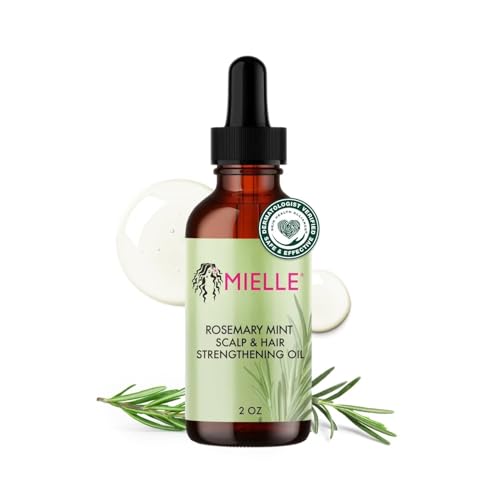
- Rosemary, mint, biotin, and essential oils support scalp care
- Multi-use formula can be used pre-wash, on scalp, or on ends
- A flexible pick for dry scalps and low-porosity routines
Best For: Dry scalps, protective styles, and low-porosity hair routines that need a lighter scalp oil.
Best for Lightweight Moisture
African Pride 5 Essential Oils

- Lightweight blend for low-porosity hair
- Good for braids, locs, twists, and hot oil use
- Free of parabens, sulfates, mineral oil, and petrolatum
Best For: Low-porosity hair, protective styles, and lighter daily sealing oil.
Best for Thickening Support

- Concentrated plant-based formula
- Helps soften, detangle, and manage dry hair
- Supports thicker, longer-looking growth
Best For: Dry, tangled hair that needs a richer oil for softness and growth support.
Best for Scalp Stimulation
Bask & Lather Scalp Stimulator Oil

- Lightweight rosemary-mint formula
- Good for low-porosity and protective styles
- Designed for scalp massage and leave-in use
Best For: People who want a stimulating scalp oil for thinning areas, protective styles, and low-porosity routines.
Best Scalp-Targeted
Botanic Hearth Rosemary Oil with Biotin
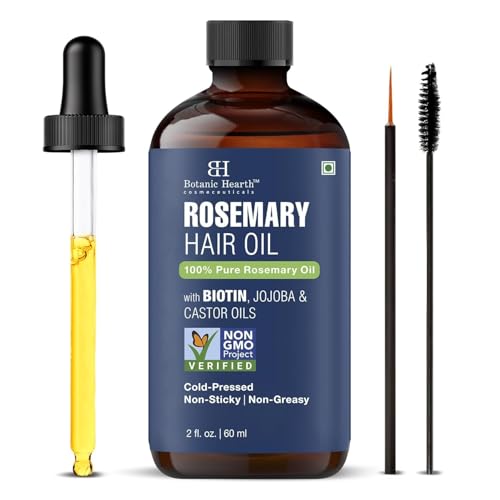
- Lightweight, non-sticky formula
- Rosemary, biotin, jojoba, and castor oil
- Applicator for direct scalp use
Best For: Shoppers who want a lightweight, scalp-focused rosemary oil for low-porosity routines.
Best Lightweight Multi-Oil Blend
Rosemary Oil with Castor & Batana
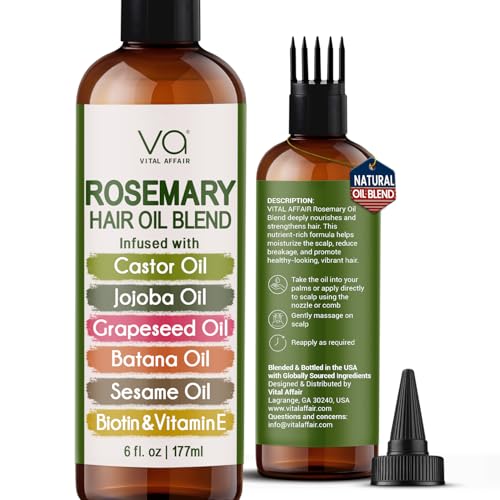
- Rosemary, biotin, and vitamin E support healthier-looking growth
- Jojoba and grapeseed help keep the feel lighter for low porosity hair
- Works as a scalp treatment, leave-in, or daily nourishing oil
Best For: People who want a lighter-feeling growth oil for low porosity hair and dry, breakage-prone strands.
Best for Scalp-Targeted Lightweight Oils
Botanic Hearth Rosemary Hair Oil
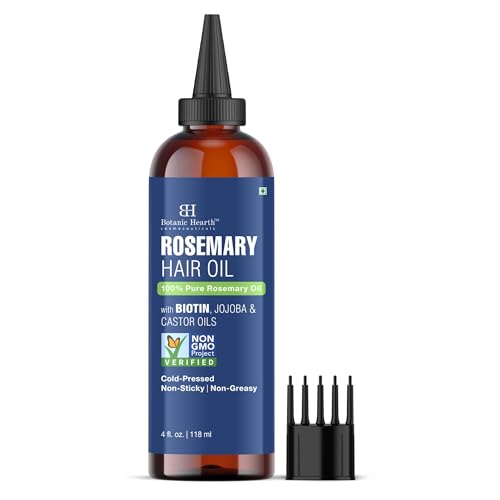
- Lightweight rosemary blend with biotin, castor, and jojoba
- Root applicator helps target the scalp directly
- Color-safe, vegan, and cruelty-free formula
Best For: Shoppers who want a lighter, scalp-focused oil for low porosity hair and regular massage use.
Best for Strengthening
Botanic Hearth Rosemary Hair Oil
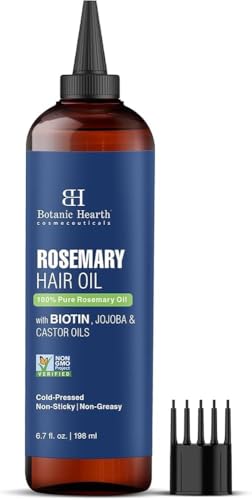
- Rosemary, biotin, castor, and jojoba blend
- Helps support thicker-looking, stronger strands
- Color-safe and suitable for all hair types
Best For: Low-porosity hair owners who want a strengthening scalp oil for dryness and breakage support.
Best Simple Pick
Botanic Hearth Rosemary Hair Oil
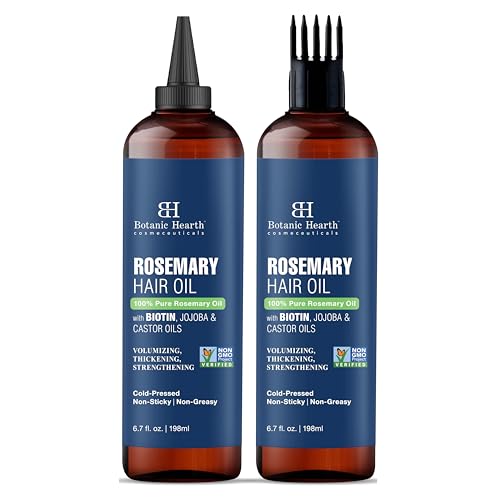
- Lightweight blend for scalp-focused growth support
- Rosemary, biotin, castor, and jojoba oils
- Applicator bottle helps target roots cleanly
Best For: Shoppers who want a lightweight rosemary scalp oil that’s easier to use on low porosity hair.
Best for Pre-Shampoo Moisture Balance – Aunt Jackie’s Balance Grapeseed & Avocado Oil
If you want a hair growth oil for low porosity hair that also helps with moisture balance, Aunt Jackie’s Balance Grapeseed & Avocado Oil is designed to support that routine. It’s a lightweight pre-shampoo treatment that focuses on improving porosity, helping hair absorb moisture more evenly, and reducing the buildup that can make low-porosity strands feel coated.
Best For: Low-porosity hair that needs a pre-poo oil to help with moisture uptake, softness, and manageability.
Pros:
- Targets porosity balance, which is useful for low-porosity hair routines
- Works as a pre-shampoo treatment to prep hair and support tensile strength
- Lightweight grapeseed and avocado blend with coconut-enriched care
- Made in the USA in a compact 4 oz bottle
Cons:
- Best used as part of a wash-day routine rather than a leave-in staple
- 4 oz size may run out quickly for frequent users
- Not a dedicated growth serum, so results depend on consistent hair care
For shoppers looking specifically for a hair growth oil for low porosity hair, this is a practical option because it emphasizes moisture balance instead of heavy sealing. If your hair tends to resist products or feels weighed down easily, the pre-poo approach can make your routine easier to manage.
Best for Scalp Nourishment – Mielle Rosemary Mint Hair Oil
If you want a versatile hair growth oil for low porosity hair, this Mielle blend is a practical pick because it focuses on scalp care, lightweight nourishment, and strand support rather than heavy butter-based moisture. The rosemary, mint, biotin, and essential oil mix can work well when you need something you can use as a pre-wash treatment, scalp oil, or split-end touch-up.
Best For: Dry scalps, protective styling routines, and anyone looking for a multi-use oil that supports healthier-looking strands without feeling overly complicated.
Pros:
- Includes rosemary, mint, biotin, and multiple nourishing oils
- Works as a scalp treatment, pre-wash oil, or end-care product
- Good fit for dry, flaky, or tension-prone scalp routines
- Small bottle makes it easy to test before committing to a larger routine
Cons:
- May feel too rich if you prefer very minimal oils
- Fragrance and minty feel may not suit sensitive scalps
For shoppers shopping for a hair growth oil for low porosity hair, this is more of a scalp-first support oil than a heavy sealing treatment, which can make it easier to fit into a routine without buildup. It is a strong option if you want a flexible daily-use formula aimed at scalp comfort and strand maintenance.
Best for Lightweight Moisture – African Pride 5 Essential Oils
If you need a hair growth oil for low porosity hair, this blend is a practical pick because it focuses on lightweight moisture, scalp comfort, and shine without relying on heavy fillers. The mix of argan, castor, grapeseed, coconut, olive oil, and vitamin E is designed to help seal in hydration while keeping strands manageable.
Best For: Low-porosity curls, protective styles, and anyone who wants a lighter oil that supports moisture retention and breakage reduction.
Pros:
- Lightweight oil blend that won’t feel overly greasy on finer or low-porosity strands
- Includes vitamin E plus multiple oils for shine, softness, and scalp nourishment
- Works well for braids, locs, twists, and hot oil treatments
- Free from parabens, sulfates, mineral oil, and petrolatum
Cons:
- May be less rich than some users want for very dry, high-need hair
- Oil blends can take trial and error to find the right amount for low porosity hair
Overall, this is a solid option if you want a hair growth oil for low porosity hair that emphasizes lighter moisture and everyday versatility. It’s especially appealing if you prefer a multi-use oil that can support protective styling without weighing hair down.
Best for Thickening Support – Wild Growth Hair Oil 4 Oz
If you want a concentrated, plant-based hair growth oil for low porosity hair, Wild Growth Hair Oil is worth a look for its softening, detangling, and moisture-supporting formula. It’s aimed at dry, hard-to-manage hair that needs help feeling smoother and more manageable without a complicated routine.
Best For: Dry, tangled hair that needs a richer oil to support softness, detangling, and the look of thicker growth.
Pros:
- Concentrated formula, so a little goes a long way
- Helps soften hair and improve detangling
- Designed to support thicker, longer-looking hair growth
- Can help reduce blow-drying time when used correctly
Cons:
- May feel too heavy for very fine hair if overapplied
- Works best only when directions are followed closely
- Oil texture may not suit users who prefer lightweight products
For shoppers comparing hair growth oil for low porosity hair, this formula makes the most sense when your main goal is adding slip, softness, and moisture support rather than a featherlight finish. It’s a practical pick for drier hair types that need a more substantial oil.
Best for Scalp Stimulation – Bask & Lather Scalp Stimulator Oil
If you want a hair growth oil for low porosity hair that focuses on the scalp first, this mint-and-rosemary blend is a practical pick. The lightweight mix with grapeseed oil is designed to absorb without feeling overly heavy, making it a solid option for routine scalp care and thicker-looking hair.
Best For: People who want a stimulating scalp oil for thinning areas, protective styles, and low-porosity routines.
Pros:
- Lightweight blend with rosemary, mint, and grapeseed oil
- Works well for scalp massage and regular leave-in use
- Suitable for low and high porosity hair, plus braids and weaves
- Made with natural, organic-focused ingredients
Cons:
- Small 2 oz bottle may run out quickly with frequent use
- Strong mint scent may not suit everyone
- Results depend on consistent application over time
For shoppers comparing a hair growth oil for low porosity hair, this one stands out more for scalp stimulation than rich sealing power. It’s a good fit if you want something lighter that can support a healthier scalp routine without weighing strands down.
Best Scalp-Targeted – Botanic Hearth Rosemary Oil with Biotin
If you want a hair growth oil for low porosity hair that feels light instead of greasy, this Botanic Hearth blend is worth a look. It combines rosemary, biotin, jojoba, and castor oil in a formula designed to absorb well, nourish the scalp, and support healthier-looking growth without synthetic fragrances or colors.
Best For: Shoppers who want a lightweight, scalp-focused rosemary oil with a simple applicator for targeted use.
Pros:
- Lightweight, non-sticky feel that suits finer or low-porosity hair routines
- Includes biotin plus rosemary, jojoba, and castor oil for a nourishing blend
- Applicator helps deliver oil directly to the scalp
- Free from synthetic colors, fragrances, mineral oil, and paraffin
Cons:
- Only a 2 oz bottle, so frequent users may need to repurchase often
- Those sensitive to herbal scents may find the rosemary aroma noticeable
For low-porosity hair, the biggest advantage here is the lighter texture and targeted scalp application, which can make it easier to use as a hair growth oil for low porosity hair without leaving heavy buildup. It is a practical pick if you want a simple, natural-leaning formula focused more on scalp care than styling benefits.
Best Lightweight Multi-Oil Blend – Rosemary Oil with Castor & Batana
If you want a hair growth oil for low porosity hair that feels lighter than a heavy castor-only blend, this rosemary-forward formula is worth a look. It combines rosemary, jojoba, grapeseed, castor, and batana oils with biotin and vitamin E, so it aims to support scalp health, reduce breakage, and add moisture without feeling overly greasy.
Best For: Buyers who want a multi-oil scalp treatment for growth support, dryness, and flake-prone scalps, especially if they prefer a lighter-feeling formula.
Pros:
- Rosemary, biotin, and vitamin E target stronger-looking, healthier hair growth support
- Jojoba and grapeseed oils help keep the blend lighter and more manageable for low porosity hair
- Castor, batana, and antioxidant-rich oils add conditioning for dry, brittle strands
- Can be used as a scalp treatment, leave-in, or daily nourishing oil
Cons:
- Still may feel too rich if you use very little product or prefer ultra-light serums
- Results for growth and shedding depend on consistent, long-term use
- Fragrance or essential oil sensitivity could be a concern for some users
This is a practical pick if you want a hair growth oil for low porosity hair that focuses on scalp nourishment and breakage support without going straight to an overly heavy formula. It makes the most sense for people who want one bottle to cover growth, moisture, and scalp comfort.
Best for Scalp-Targeted Lightweight Oils – Botanic Hearth Rosemary Hair Oil
If you want a hair growth oil for low porosity hair that won’t feel overly heavy, Botanic Hearth’s rosemary blend is worth a look. It uses lightweight oils like jojoba and castor plus biotin, and the applicator helps you place it directly on the scalp instead of coating strands too thickly.
Best For: People who want a scalp-focused rosemary oil with a lighter feel, natural ingredients, and a simple root application for regular massage routines.
Pros:
- Lightweight, non-sticky formula that’s easier to use on low porosity hair
- Includes rosemary, biotin, castor, and jojoba to support scalp care
- Root-targeted applicator makes direct scalp application simple
- Color-safe, vegan, cruelty-free, and free from synthetic fragrances
Cons:
- Oil-based formulas may still feel too rich if you use too much at once
- The herbal rosemary scent may not suit everyone
- Works best as part of a consistent routine, not a quick fix
For shoppers comparing a hair growth oil for low porosity hair, this one stands out for its lighter texture and scalp-first design. It’s a practical pick if you want natural ingredients and targeted application without the heavy feel some oils leave behind.
Best for Strengthening – Botanic Hearth Rosemary Hair Oil
If you want a straightforward hair growth oil for low porosity hair, this Botanic Hearth formula is worth a look thanks to its rosemary, biotin, castor, and jojoba blend. It focuses on helping reduce breakage, support scalp health, and improve the look of thicker, stronger strands without being tied to a single hair type.
Best For: Low-porosity hair owners who want a scalp-focused oil for strengthening, thickness support, and dry scalp care.
Pros:
- Rosemary and biotin are aimed at supporting healthy hair growth and stronger strands.
- Castor and jojoba add nourishment that can help with dryness and breakage.
- Color-safe and suitable for all hair types, including relaxed hair.
- Compact 6.7 oz bottle makes it easy to try as part of a routine.
Cons:
- Oil-based formulas can feel heavy if too much is applied at once.
- Results depend on consistent use over time rather than quick changes.
- May not be ideal for users who prefer ultra-light, non-oily finishes.
For shoppers comparing a hair growth oil for low porosity hair, this is a practical option if your main goal is scalp support and breakage reduction rather than a weightless styling serum. It’s best treated as a treatment oil you work into a routine consistently.
Best Simple Pick – Botanic Hearth Rosemary Hair Oil
If you’re shopping for a hair growth oil for low porosity hair, this Botanic Hearth blend is worth considering because it stays lightweight while still combining rosemary, biotin, castor, and jojoba oils. The formula is designed to nourish the scalp, support stronger-feeling strands, and absorb without the heavy, greasy finish that can be a problem for lower-porosity textures.
Best For: People who want a lightweight scalp oil with rosemary and biotin for daily or targeted growth support, especially if heavier oils tend to sit on the hair.
Pros:
- Lightweight, non-sticky formula that’s easier to work into low porosity hair
- Includes rosemary oil, biotin, castor, and jojoba for scalp-focused nourishment
- Applicator bottle helps target the roots without overapplying
- Color-safe, vegan, cruelty-free, and free from synthetic fragrances or colors
Cons:
- Set of 2 may be more than some shoppers need
- Herbal rosemary scent may not suit everyone
- As an oil blend, it may still feel too rich if applied too heavily
Overall, this is a practical option if you want a hair growth oil for low porosity hair that focuses on scalp care without feeling overly heavy. The root-targeted applicator and lighter texture make it easier to use consistently, which matters more than a dramatic one-step fix.
How We Picked the Best Hair Growth Oil for Low Porosity Hair
For Hair Growth Oil for Low Porosity Hair, the biggest priority is compatibility with hair that resists absorption. We favored formulas with lighter carriers and scalp-friendly actives, plus blends that can be used sparingly without causing buildup. We also looked at ingredient transparency, versatility, and whether a product is better suited for pre-pooing, scalp massage, or sealing ends.
Quick Comparison
In general, lightweight oils and fast-spreading blends are the safest starting point for low-porosity routines. Grapeseed-based formulas tend to feel lighter, while rosemary and mint blends are popular for scalp care. Castor-heavy oils can be useful, but many people with low-porosity hair prefer them mixed with lighter oils rather than used alone.
Key Buying Factors for Hair Growth Oil for Low Porosity Hair
Weight and Absorption
Choose oils that spread easily and do not sit on the hair surface for long. If a formula feels too thick, use less or apply it only to the scalp and ends.
Scalp Benefits
Ingredients like rosemary, mint, and biotin are common in growth-focused blends. They do not replace good hair care habits, but they can support a healthy scalp routine.
Moisture Balance
Low-porosity hair often needs help balancing moisture rather than adding more heavy product. Pre-shampoo oils and lighter blends can make hair feel softer without weighing it down.
Ingredient Simplicity
Shorter ingredient lists can be easier to evaluate if your hair is sensitive or prone to buildup. If you already know your hair likes richer oils, you can try denser blends in small amounts.
Who Should Buy Which Hair Growth Oil for Low Porosity Hair?
If your hair gets coated easily and hates heavy products, start with lighter oils and use them sparingly on damp hair or the scalp. If your main issue is dryness at the roots, choose a rosemary- or mint-based scalp treatment. If you want a pre-wash option, a porosity-balancing blend can be a smart fit for wash-day prep.
For the best results, remember that Hair Growth Oil for Low Porosity Hair works best as part of a routine: cleanse regularly, apply heat or steam when appropriate, and avoid over-layering products that can block moisture from getting in.
