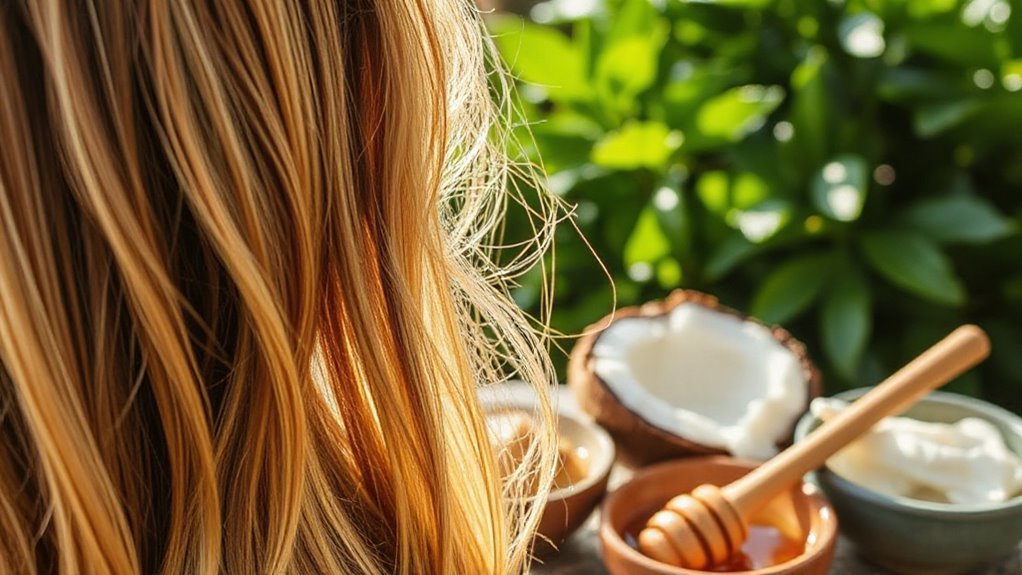
How to Repair Over Processed Hair at Home?
If you’ve noticed your hair feels dry, brittle, or looks lifeless, you might be dealing with over-processed strands. Thankfully, you can tackle this issue at home with the right approach. By identifying the causes and signs, you can take effective steps to restore your hair’s health. Discover how simple changes in your routine can make a significant difference. Ready to transform your hair? Let’s explore the best methods to get started.
How To Repair Over Processed Hair At Home: A Step-By-Step Guide
If you’ve noticed your hair looking limp, brittle, or frizzy due to over-processing, don’t worry—you can bring it back to life with a few simple steps at home.
Start by trimming split ends to prevent further damage.
Next, switch to a gentle, sulfate-free shampoo and follow up with a rich conditioner designed for dry hair.
Incorporate a weekly deep conditioning treatment or hair mask to restore moisture.
You might also try natural oils, like coconut or argan oil, to nourish your strands.
Finally, avoid heat styling and let your hair air dry whenever possible to promote healing.
What Causes Over Processed Hair?
Over-processed hair results from a combination of chemical treatments, excessive heat, and inadequate care. Understanding these factors can help you prevent damage and maintain healthier locks.
Here are some common causes:
- Frequent coloring or bleaching can strip your hair of natural oils.
- Hot tools like straighteners and curling irons can weaken hair structure.
- Not using heat protectants can lead to thermal damage.
- Neglecting regular conditioning treatments can cause dryness and brittleness.
How To Identify The Signs Of Over Processed Hair
While your hair might look good at first glance, there are key signs that indicate it’s been over-processed.
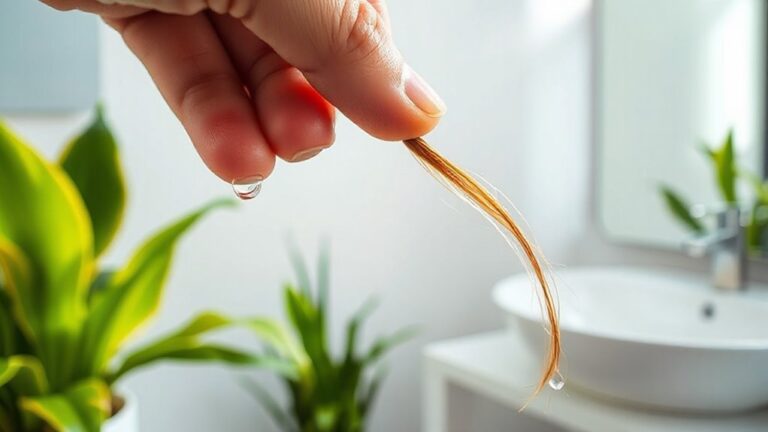
You may notice excessive dryness, making your hair feel brittle and straw-like. It might also lack elasticity, meaning it doesn’t bounce back when stretched.
If you’re experiencing split ends and breakage, that’s another red flag. Additionally, your hair could become unmanageable, tangling easily and losing its natural shine.
Watch for a dull appearance and an inability to hold styles. If you recognize these signs, it’s essential to take action before the damage worsens. Your hair deserves some tender loving care!
What Home Remedies Can Help Repair Over Processed Hair?
To restore your hair’s health, you can turn to a variety of effective home remedies that nourish and repair over-processed locks.
These simple solutions can help rejuvenate your hair and improve its texture. Consider trying:
- Coconut oil: Apply it as a deep conditioner to hydrate and strengthen.
- Avocado mask: Mash an avocado and mix it with honey for a nourishing treatment.
- Aloe vera: Use the gel to soothe and moisturize your hair.
- Egg yolk: Whisk it and apply for protein that can help rebuild your hair’s structure.
These remedies can contribute to healthier, more manageable hair.
How To Use Oils And Masks For Over Processed Hair Repair
Restoring your hair’s essence can be effectively achieved through the use of oils and masks specifically designed for damaged strands.
Start with natural oils like coconut, argan, or olive oil. Warm a small amount and gently massage it into your scalp and hair, focusing on the ends. Leave it on for at least 30 minutes, or overnight for deeper nourishment.
For masks, look for ingredients like avocado, honey, or yogurt. Apply generously, cover with a shower cap, and let it sit for 20-40 minutes. Rinse thoroughly with a gentle shampoo to reveal softer, healthier hair.
Repeat weekly for best results.
Are There Specific Techniques For Styling Over Processed Hair?
After nourishing your over-processed hair with oils and masks, it’s important to style it in a way that minimizes further damage.
Here are some techniques to take into account:
- Use a wide-tooth comb to detangle gently, avoiding breakage.
- Limit heat styling; if you must, use a heat protectant spray.
- Opt for loose hairstyles like braids or buns to reduce tension on strands.
- Air-dry when possible to prevent additional heat exposure.
These techniques help protect your hair while still allowing you to express your style.
Be patient, and remember that your hair needs time to recover fully.
What Are The Best Products For Over Processed Hair Recovery?
Finding the right products for over-processed hair can make all the difference in your recovery journey.
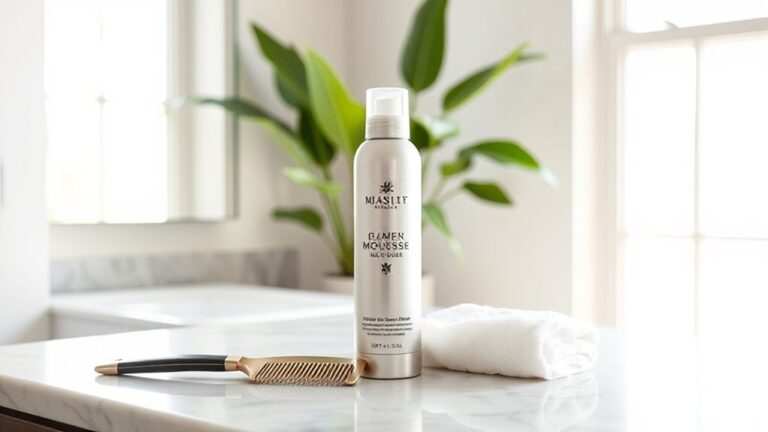
Look for deep conditioning masks infused with ingredients like keratin, argan oil, or shea butter to nourish and restore your strands. A sulfate-free shampoo will gently cleanse your hair without further stripping moisture.
Don’t forget a leave-in conditioner to provide extra hydration and protection throughout the day. Hair oils, like jojoba or coconut oil, can also help seal in moisture and add shine.
Finally, consider a protein treatment to strengthen your hair and improve its elasticity. Choose wisely, and your hair will thank you!
How To Maintain Healthy Hair After Repairing Over Processed Strands?
To keep your hair healthy after repairing over-processed strands, it’s essential to adopt a consistent care routine.
Focus on nourishing and protecting your hair to maintain its strength and shine. Here are some key tips to follow:
- Use sulfate-free shampoos and conditioners to avoid further damage.
- Incorporate regular deep conditioning treatments for hydration.
- Limit heat styling; opt for air-drying or heat protectants when necessary.
- Trim your ends every 6-8 weeks to prevent split ends.