
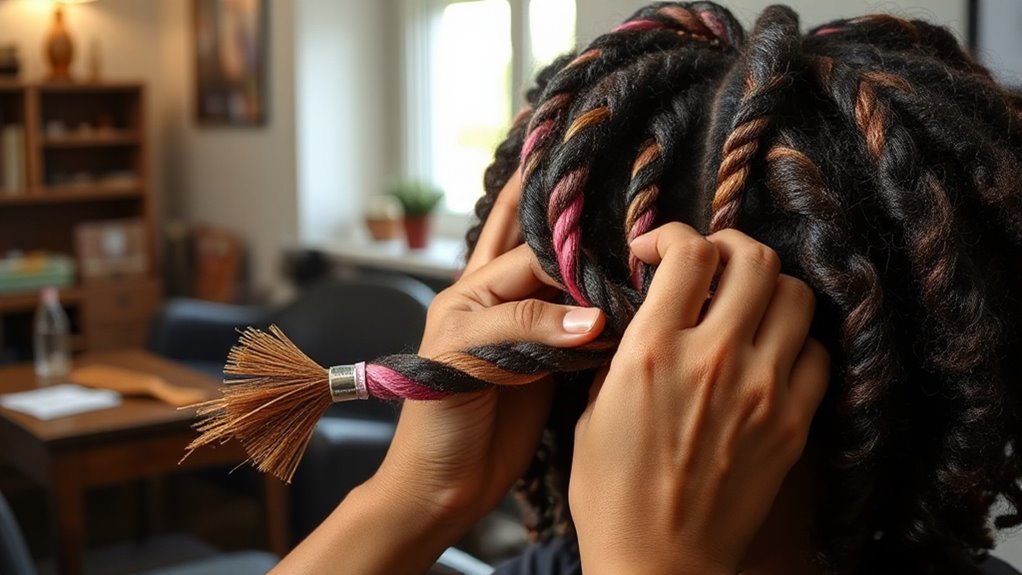
How to Do Protective Hairstyles Step by Step?
When it comes to protective hairstyles, knowing the right steps can make all the difference. You’ll want to start by selecting a style that complements your hair type and texture. After gathering your tools and products, preparing your hair is essential for the best results. But what are the specific steps to achieve popular styles? Let’s explore the process, ensuring your hair stays healthy while looking great.
How To Do Protective Hairstyles: A Step-By-Step Guide
When you want to keep your hair healthy and protected, learning how to style it with protective hairstyles can make a big difference.
Start by choosing the right style for your hair type, like braids or twists. Next, gather your tools: comb, clips, and hair products.
Cleanse and moisturize your hair to guarantee it’s hydrated. Section your hair for easier handling, then begin styling, working from the back to the front.
Secure each section tightly but gently to avoid tension. Finally, finish with a light oil to seal in moisture and protect your hair from damage.
Enjoy your beautiful, protective look!
What Are Protective Hairstyles And Why Are They Important?
Protective hairstyles are more than just trendy looks; they serve an essential purpose in maintaining the health of your hair. By reducing manipulation and protecting your strands from environmental stressors, these styles help prevent breakage and promote growth.
When you tuck away your hair, you’re minimizing exposure to harsh elements, heat, and styling tools. This gives your hair a chance to rest and recover.
Plus, protective hairstyles can enhance your versatility, allowing you to express your creativity. Overall, incorporating these styles into your routine is vital for achieving and maintaining the strong, healthy hair you desire.
How To Choose The Right Protective Hairstyle For Your Hair Type
Choosing the right protective hairstyle for your hair type can make all the difference in maintaining its health and appearance. Start by considering your hair’s texture, length, and thickness.
Here are some tips to help you decide:
- For fine hair, opt for loose braids or twists to prevent breakage.
- Curly hair thrives in styles like updos or braids to minimize frizz.
- Thick hair can handle larger braids or buns, offering a stylish yet protective option.
- Straight hair often works well with sleek ponytails or wraps to keep the ends protected.
Pick a style that suits you and keep your hair happy!
What Tools And Products Do You Need For Protective Hairstyles?
To create a stunning protective hairstyle, you’ll need the right tools and products at your fingertips.
Start with a wide-tooth comb to detangle your hair gently. You’ll also want hair clips or ties to section off your hair easily.
Don’t forget a good quality moisturizing cream or leave-in conditioner to keep your hair hydrated. A lightweight oil can add shine and prevent breakage.
For styling, a soft bristle brush can help smooth edges. If you’re using extensions, make sure they’re of high quality.
Finally, a silk or satin scarf will protect your style while you sleep.
Get ready to shine!
How To Prepare Your Hair Before Styling For Protection
Before diving into styling, it’s crucial to prep your hair properly to guarantee maximum protection and longevity.
Start by ensuring your hair is clean and free from product buildup. Next, hydrate your strands with a deep conditioner to promote moisture retention.
Don’t forget to detangle gently to avoid breakage, and seal in moisture with a light oil.
Here’s a quick checklist to follow:
- Wash your hair thoroughly
- Apply a deep conditioner
- Detangle using a wide-tooth comb
- Seal with a lightweight oil
These steps will set you up for successful protective styling and healthier hair in the long run.
What Are The Step-By-Step Instructions For Popular Protective Hairstyles?
With your hair prepped and ready for styling, it’s time to explore popular protective hairstyles that can shield your strands while keeping them stylish.
Start with box braids: section your hair, apply moisturizer, and braid each section tightly.
For twists, divide your hair into sections, twist each section around itself, and secure the ends.
If you prefer cornrows, part your hair into rows, braid close to the scalp, and finish with a rubber band.
Finally, try a bun: gather your hair into a high or low ponytail, twist it around, and secure with pins.
Enjoy your beautiful, protected look!
How To Maintain Your Protective Hairstyle For Long-Lasting Results
Maintaining your protective hairstyle is essential for guaranteeing it lasts and keeps your hair healthy. To achieve long-lasting results, follow these tips:
- Moisturize regularly: Keep your hair hydrated with a lightweight leave-in conditioner or oil.
- Protect at night: Use a satin or silk scarf or pillowcase to minimize friction while you sleep.
- Avoid tight styles: Confirm your hairstyle isn’t pulling on your scalp to prevent tension and breakage.
- Cleanse gently: Use a sulfate-free shampoo or co-wash to keep your scalp clean without stripping moisture.
When Should You Take Down Your Protective Hairstyle And What To Do Next?
When should you take down your protective hairstyle? Ideally, you should remove it after four to six weeks, but listen to your hair. If it feels dry, brittle, or you notice breakage, it’s time to go.
After taking it down, gently detangle your hair using a moisturizing conditioner to prevent damage. Follow up with a deep conditioning treatment to restore moisture and elasticity.
Trim any split ends if necessary and allow your hair to breathe for a few days before styling again. This helps keep your hair healthy and promotes growth, ensuring your next protective style is just as effective.