How to Treat Alopecia Naturally at Home?
If you’re looking for ways to treat alopecia naturally at home, you’ve got a range of options to explore. From diet to essential oils, making simple changes can have a significant impact on your hair health. Understanding how each element contributes to your overall well-being is vital. Curious about which remedies might work best for you? Let’s break down the most effective strategies for nurturing your hair and scalp.
How To Treat Alopecia Naturally At Home
If you’re looking to treat alopecia naturally at home, there are several effective methods you can try.
Start by maintaining a balanced diet rich in vitamins and minerals, as proper nutrition supports hair health. Incorporate essential oils, like rosemary or peppermint, into your scalp massage routine to stimulate circulation.
Regularly practicing stress-relief techniques, such as yoga or meditation, can also improve overall well-being, which may positively impact hair growth. Additionally, make sure you’re getting enough sleep to allow your body to recover and regenerate.
With consistency and patience, these natural approaches can help you manage alopecia effectively at home.
What Are The Natural Remedies For Alopecia?
When searching for natural remedies for alopecia, you’ll find a variety of options that can support hair growth and overall scalp health.
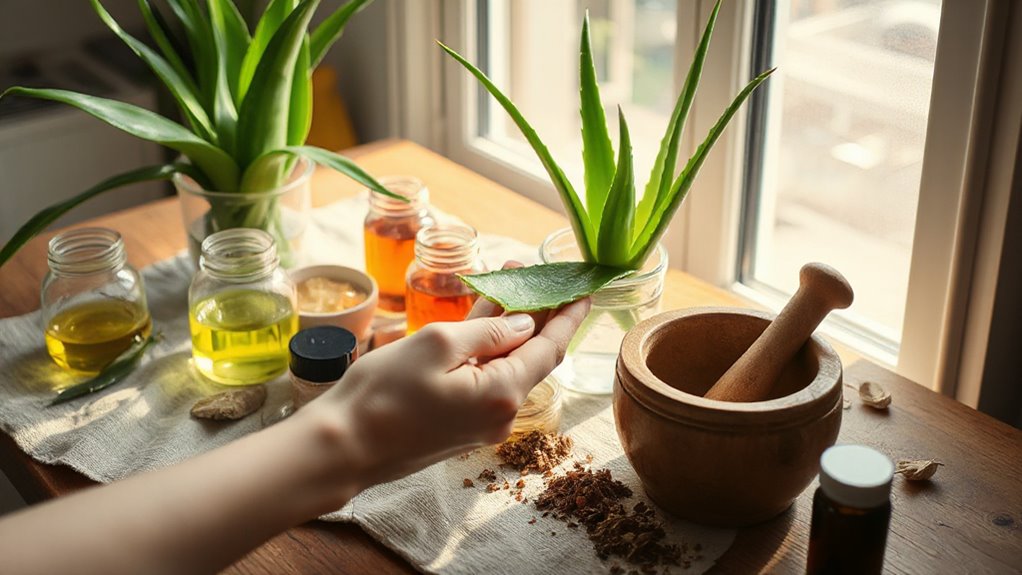
Essential oils like rosemary and peppermint can stimulate circulation when massaged into your scalp. Aloe vera promotes hydration and soothes irritation.
Consider using onion juice, which has shown potential in boosting hair regrowth. Herbal supplements such as ginseng and saw palmetto may also help balance hormones linked to hair loss.
Additionally, reducing stress through practices like yoga or meditation can improve your overall well-being, potentially aiding in the fight against alopecia.
How Does Diet Affect Alopecia Treatment?
Diet plays an essential role in treating alopecia, as what you eat directly influences the health of your hair and scalp. Incorporating nutrient-rich foods can promote hair growth and strengthen follicles.
Focus on proteins, vitamins, and minerals—especially biotin, zinc, and omega-3 fatty acids. Foods like eggs, nuts, leafy greens, and fish can nourish your hair from within.
Staying hydrated is also vital, as water supports overall health. Avoid processed foods and excessive sugars, which can lead to inflammation and worsen hair loss.
Why Is Scalp Care Important For Alopecia?
Healthy hair starts with a well-cared-for scalp, making scalp care essential in managing alopecia. When you prioritize your scalp, you create an ideal environment for hair growth. This can lead to healthier hair follicles and potentially reduce hair loss.
- Cleansing removes buildup and excess oils.
- Massaging stimulates blood circulation, promoting nutrient delivery.
- Moisturizing helps maintain scalp hydration and prevents dryness.
- Protecting your scalp from harsh chemicals can minimize irritation.
What Essential Oils Can Help With Alopecia?
While many treatments exist for alopecia, essential oils offer a natural and holistic approach that can complement your scalp care routine.
Oils like rosemary and lavender can stimulate hair growth and improve circulation. Tea tree oil’s antifungal properties help maintain a healthy scalp environment, while peppermint oil provides a revitalizing sensation that may enhance blood flow.
You can mix a few drops of these oils with a carrier oil, such as coconut or jojoba, and massage it into your scalp. Regular use can promote healthier hair follicles and potentially reduce hair loss associated with alopecia.
How To Incorporate Herbal Supplements For Hair Growth?
To boost hair growth naturally, incorporating herbal supplements into your routine can be a game changer.
Start by choosing the right herbs known for promoting hair health. Here are some options to take into account:
- Saw Palmetto: Helps block hair loss hormones.
- Nettle Leaf: Rich in vitamins and minerals that strengthen hair.
- Ginseng: Stimulates scalp circulation for better growth.
- Horsetail: Contains silica, promoting hair strength and elasticity.
You can take these supplements in capsule form or brew them as herbal teas.
Always consult a healthcare professional before starting any new supplement regimen to verify they’re suitable for you.
What Lifestyle Changes Support Natural Alopecia Treatment?
Making simple lifestyle changes can greatly support your efforts in treating alopecia naturally.
Start by eating a balanced diet rich in vitamins and minerals, focusing on foods like leafy greens, nuts, and fish.
Stay hydrated by drinking plenty of water, as hydration promotes scalp health.
Regular exercise improves blood circulation, which can nourish hair follicles.
Prioritize sleep to allow your body to repair and rejuvenate.
Reduce stress through mindfulness practices, like yoga or meditation, as stress can exacerbate hair loss.
Finally, avoid harsh hair treatments and minimize heat styling to prevent further damage.
These changes can create a healthier environment for hair growth.
How Long Does It Take To See Results From Natural Remedies?
How soon can you expect to see results from natural remedies for alopecia? Patience is key, as results can vary based on individual factors. Typically, you might start noticing changes within a few weeks to a few months.
Consider these factors that can influence your timeline:
- Consistency: Regular application of remedies is essential.
- Type of remedy: Different treatments have varying effectiveness.
- Underlying health: Your overall health can impact hair growth.
- Diet and lifestyle: Nutritional changes can accelerate results.
Stay committed, and give your chosen remedies time to work their magic!