How to Stop Hair Shedding Naturally?
If you’re struggling with hair shedding, you’re not alone. Many people face this issue, but the good news is that there are natural ways to address it. By making simple changes to your diet and lifestyle, you can promote healthier hair growth. Curious about what steps you can take to reduce shedding and boost your confidence? Let’s explore effective strategies that can help you regain control over your hair health.
How To Stop Hair Shedding Naturally For Healthy Hair Growth
If you’re noticing more hair in your brush than usual, you might be wondering how to stop hair shedding naturally for healthy hair growth.
Start by improving your diet; incorporate foods rich in vitamins, minerals, and proteins.
Regular scalp massages can stimulate blood circulation, promoting growth.
Consider using natural oils like coconut or castor oil to nourish your hair.
Stay hydrated, as water supports overall health.
Avoid heat styling tools and harsh chemicals that can damage your hair.
Finally, manage stress through relaxation techniques like yoga or meditation.
These steps can help reduce shedding and enhance your hair’s liveliness.
What Are The Common Causes Of Hair Shedding?
While hair shedding is a natural part of the hair growth cycle, several common factors can contribute to excessive loss.
Stress, whether from work or personal life, can trigger increased shedding. Hormonal changes, especially during pregnancy or menopause, may also play a significant role.
Nutritional deficiencies, particularly in iron and vitamins, can weaken your hair. Additionally, certain medical conditions, like thyroid disorders, may cause noticeable hair loss.
Finally, improper hair care practices, such as excessive heat styling or harsh chemicals, can damage your hair and lead to shedding.
Recognizing these factors is the first step toward managing your hair health.
Why Is Natural Treatment Preferred For Hair Shedding?
Natural treatments for hair shedding are gaining popularity for several reasons. You’ll find that they often have fewer side effects compared to chemical options, making them safer for your overall health.
Many people appreciate the holistic approach of using natural ingredients, which can nourish your scalp and hair without harsh chemicals. Additionally, these treatments can be more cost-effective, utilizing items you might already have at home.
You’ll also enjoy the satisfaction of knowing you’re using sustainable methods. Overall, natural remedies offer a gentle, effective way to tackle hair shedding while supporting your body’s well-being.
How Can Diet Impact Hair Shedding?
Diet plays an essential role in hair health, as the nutrients you consume directly affect the strength and liveliness of your hair.
To help reduce hair shedding, consider incorporating these key nutrients into your diet:
- Protein: Hair is primarily made of protein, so make certain you’re eating enough lean meats, beans, and nuts.
- Iron: Low iron levels can lead to hair loss; include spinach, lentils, and red meat.
- Omega-3 Fatty Acids: These promote scalp health; find them in fish, flaxseed, and walnuts.
- Vitamins A and C: They support healthy hair growth; oranges and carrots are excellent sources.
What Are Effective Natural Remedies For Hair Shedding?
Incorporating the right nutrients into your diet can set a solid foundation for hair health, but you might also want to explore effective natural remedies for hair shedding.
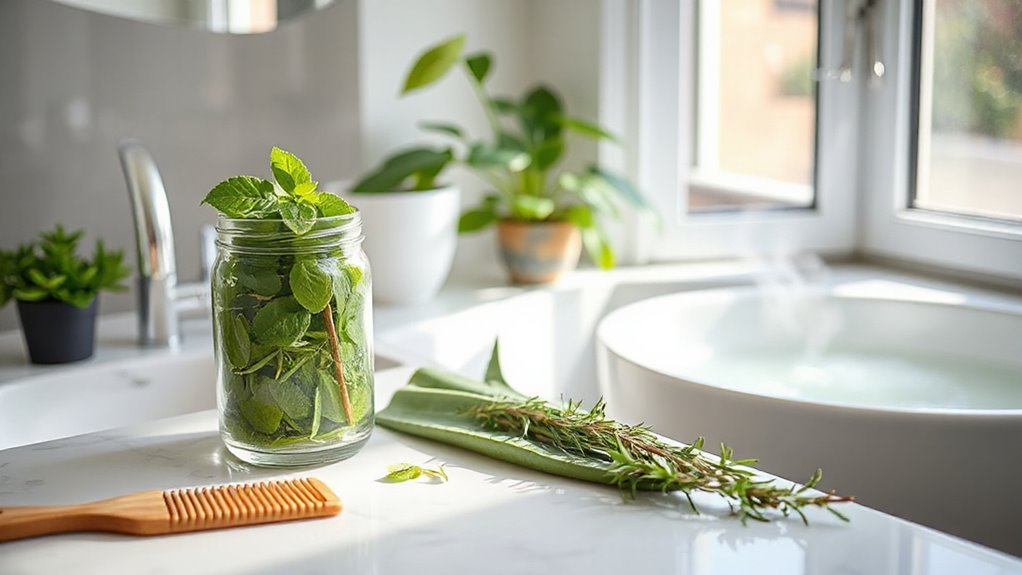
Essential oils like rosemary and lavender can stimulate hair growth when massaged into your scalp. Aloe vera’s soothing properties can reduce inflammation and promote hair health.
You might also consider using a rinse made from green tea, which is rich in antioxidants. Additionally, a regular scalp massage improves blood circulation, fostering healthier follicles.
Finally, don’t underestimate the power of staying hydrated; water plays an important role in maintaining hair health.
How Does Stress Contribute To Hair Shedding?
While you may not realize it, stress can greatly impact your hair’s health. When you’re stressed, your body undergoes changes that can trigger hair shedding.
Here’s how stress contributes to this issue:
- Hormonal Changes: Stress increases cortisol levels, disrupting your hair’s growth cycle.
- Inflammation: Stress promotes inflammation, which can damage hair follicles.
- Nutrient Absorption: Stress can hinder nutrient absorption, depriving hair of essential vitamins.
- Hair-Pulling Habits: Stress may lead to habits like trichotillomania, which directly causes hair loss.
Recognizing these factors can help you address stress and minimize its impact on your hair.
What Lifestyle Changes Can Help Reduce Hair Shedding?
Making simple lifestyle changes can greatly reduce hair shedding and promote healthier hair.
Start by maintaining a balanced diet rich in vitamins and minerals, like biotin and zinc, to nourish your hair.
Stay hydrated by drinking plenty of water, as dehydration can weaken hair.
Regular exercise boosts circulation, helping deliver nutrients to your scalp.
Additionally, prioritize sleep to reduce stress and support overall health.
Limit heat styling and harsh chemicals, which can damage hair.
Finally, practice gentle hair care; avoid tight hairstyles that stress your follicles.
Implement these changes, and you’ll notice a positive impact on your hair’s health.
When Should You Consult A Professional About Hair Shedding?
How can you tell when it’s time to seek professional help for hair shedding? If you’re experiencing significant hair loss, it’s wise to consult a professional.
Here are four key signs to watch for:
- Excessive Shedding: Losing more than 100 strands daily may indicate a problem.
- Thinning Patches: Noticeable bald spots or thinning areas require attention.
- Sudden Changes: A rapid increase in shedding can signal an underlying issue.
- Physical Symptoms: Accompanying symptoms like itching, redness, or pain should prompt a visit.
Don’t hesitate to reach out for expert advice when you notice these signs.