
How to Wrap Hair at Night Step by Step?
Wrapping your hair at night is a simple yet effective way to maintain its health and style. You’ll want to use a silk or satin scarf to minimize frizz and breakage. Before you start, it’s helpful to prep your hair properly and select the right techniques for wrapping. Curious about the best methods to secure your wrap and guarantee a comfortable night’s sleep? Let’s explore the steps together.
How To Wrap Hair At Night Step By Step
Wrapping your hair at night can be a game changer for maintaining your hairstyle and preventing damage.
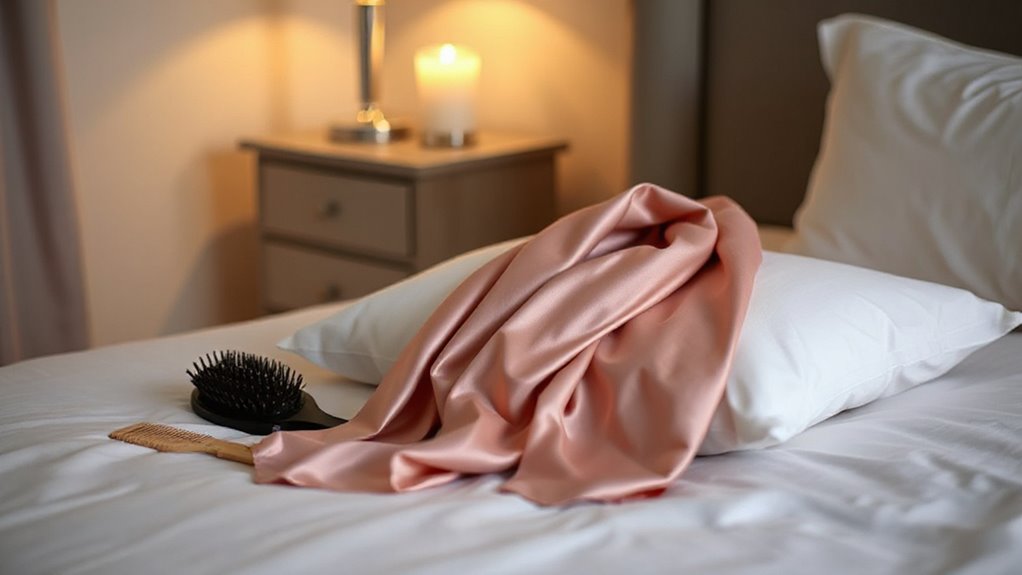
To start, gather a silk or satin scarf. Brush your hair to remove tangles, then pull it into a low ponytail or bun.
Wrap the scarf around your head, making sure it covers all your hair. Secure it at the base of your neck or with a knot at the top, depending on your preference.
If you’ve got longer hair, tuck the ends into the scarf. Finally, make certain it’s snug but not too tight, so you’re comfortable while you sleep.
Enjoy waking up to beautiful hair!
What Are The Benefits Of Wrapping Hair At Night?
When you wrap your hair at night, you’re not just protecting your style; you’re also reaping several key benefits.
First, wrapping reduces friction, which can prevent breakage and split ends. It keeps your hair moisturized, reducing dryness and frizz, so you wake up with smoother locks.
You’ll also notice that your hairstyle lasts longer, saving you time on styling in the morning. Plus, wrapping can help maintain curls and waves, giving you a polished look.
What Supplies Do You Need To Wrap Your Hair?
To effectively wrap your hair at night, you’ll need a few essential supplies that make the process easier and more comfortable.
Start with a silk or satin scarf, as these materials help reduce friction and prevent breakage. You’ll also want a soft hair tie or scrunchie to secure your hair without causing damage.
If you prefer a hair wrap or bonnet, choose one that fits snugly but isn’t too tight. Finally, a wide-tooth comb can help detangle your hair before wrapping.
With these supplies, you’re all set for a restful night while protecting your locks!
How To Prepare Your Hair Before Wrapping?
Preparing your hair before wrapping is essential for ensuring it stays healthy and looks great. Start by gently detangling your hair to prevent breakage. Use a wide-tooth comb or your fingers to work through any knots.
Next, apply a light leave-in conditioner or oil to keep your hair moisturized overnight. This helps reduce frizz and adds shine. If your hair’s damp, let it dry completely before wrapping to avoid mildew.
Finally, section your hair into manageable parts, which makes wrapping easier and more effective. With these steps, you’re ready to wrap your hair for a restful night.
What Are The Best Techniques For Wrapping Hair?
Once your hair is prepped and ready, it’s time to explore the best techniques for wrapping it at night.
Start by gathering your hair at the crown and smoothing it down. For a classic wrap, twist the hair around itself, securing it with bobby pins.
Alternatively, you can use a silk or satin scarf, folding it into a triangle and wrapping it snugly around your hair. Make sure to tuck in any loose ends.
If you have longer hair, consider using a donut bun or a loose braid for added protection. These methods help maintain your style and reduce friction.
How To Secure Your Hair Wrap For A Comfortable Sleep?
Securing your hair wrap for a comfortable sleep is essential to guarantee you wake up with your style intact.
Here are three effective ways to keep your wrap in place:
- Use a Soft Scarf: Choose a lightweight scarf that won’t slip off during the night. Tie it snugly but not too tight.
- Opt for a Satin Bonnet: A satin bonnet can hold your wrap securely while protecting your hair from friction.
- Try Hair Clips: If your hair is longer, use hair clips to secure any loose strands before wrapping them.
With these methods, you’ll enjoy a restful night and gorgeous hair in the morning!
What Should You Avoid When Wrapping Hair At Night?
While securing your hair wrap is important for a good night’s sleep, there are pitfalls to avoid that can compromise your efforts.
First, steer clear of tight wraps that can cause breakage or headaches. Don’t use materials that create friction, like rough cotton; instead, opt for silk or satin.
Avoid wrapping your hair when it’s wet, as this can lead to mildew or damage. Also, skip using heavy products before wrapping, as they can weigh your hair down and result in an unpleasant mess.
How Does Wrapping Hair Improve Your Morning Routine?
Wrapping your hair at night can greatly streamline your morning routine, making it easier to wake up and start your day. Here’s how it helps:
- Reduces Styling Time: You’ll spend less time trying to tame frizz or style your hair since it stays in place overnight.
- Prevents Damage: Wrapping protects your hair from breakage and split ends, keeping it healthier for longer.
- Enhances Sleep Quality: A smooth wrap minimizes tangling, allowing you to sleep soundly without distractions.