How to Stop Dry Scalp Quickly?
If you’re struggling with dry scalp, it’s essential to tackle the issue promptly. You might find that switching to a gentle shampoo and conditioning regularly can make a noticeable difference. Additionally, incorporating natural oils could provide the hydration your scalp needs. But that’s just the beginning. Understanding the root causes and symptoms can further enhance your approach. Curious about the most effective remedies and tips to maintain a healthy scalp?
How To Stop Dry Scalp Quickly And Effectively
If you’re tired of dealing with a dry scalp, there are effective ways to tackle the issue quickly.
Start by using a gentle, hydrating shampoo to cleanse without stripping natural oils. Incorporate a nourishing conditioner to add moisture back into your hair and scalp.
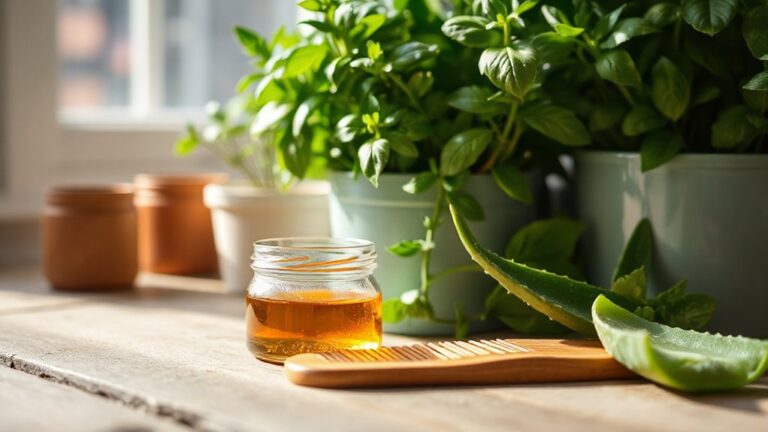
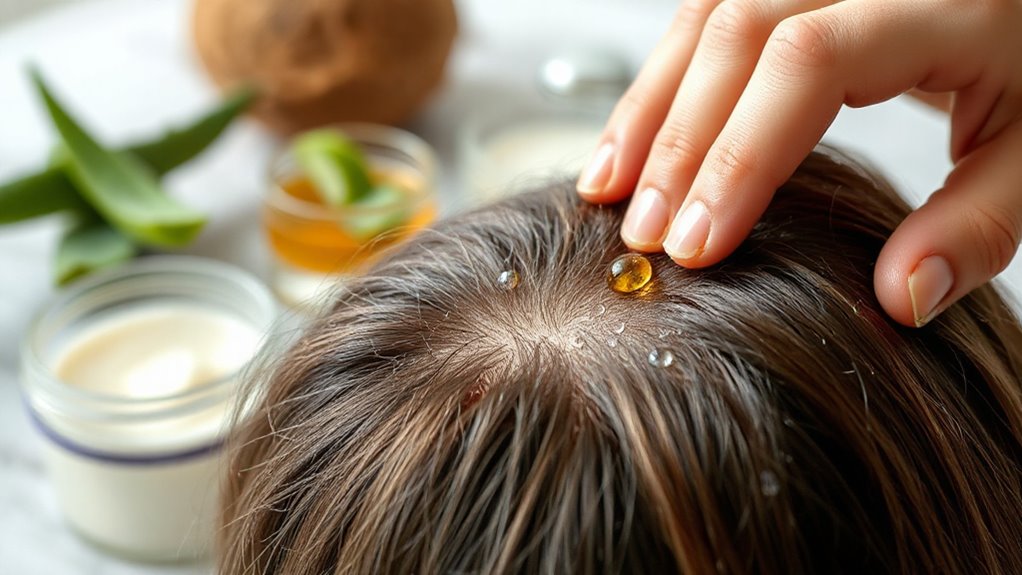
You can also try massaging natural oils, like coconut or olive oil, directly onto your scalp for added hydration. Limit heat styling and harsh chemical treatments that can worsen dryness.
Finally, stay hydrated and consider a humidifier at home to maintain moisture in the air.
With these steps, you’ll notice relief from your dry scalp soon!
What Causes Dry Scalp To Develop?
While various factors can contribute to dry scalp, environmental conditions and personal habits often play significant roles.
Cold weather, low humidity, and indoor heating can strip moisture from your scalp. Overwashing your hair or using harsh shampoos can also lead to dryness, as they remove natural oils.
Additionally, certain hair products or chemicals might irritate your scalp, exacerbating the issue. Stress and an unbalanced diet can further impact your scalp’s health.
If you frequently wear hats or tight hairstyles, that can block air circulation and contribute to dryness. Understanding these causes can help you take preventative measures.
How Can You Identify Symptoms Of Dry Scalp?
How can you tell if you’re dealing with a dry scalp? Look for telltale signs like itching and tightness in your scalp.
You might notice flakes on your shoulders or in your hair, which can be embarrassing. If your scalp feels rough or looks red and irritated, that’s another indicator.
You may also experience increased hair breakage or dullness, suggesting your scalp isn’t healthy.
Pay attention to these symptoms, as they can help you distinguish dry scalp from other conditions, like dandruff or psoriasis. Identifying these signs early can lead to quicker relief and healthier hair.
What Are The Best Natural Remedies For Dry Scalp?
Many people seek natural remedies to alleviate dry scalp, and fortunately, several effective options exist.
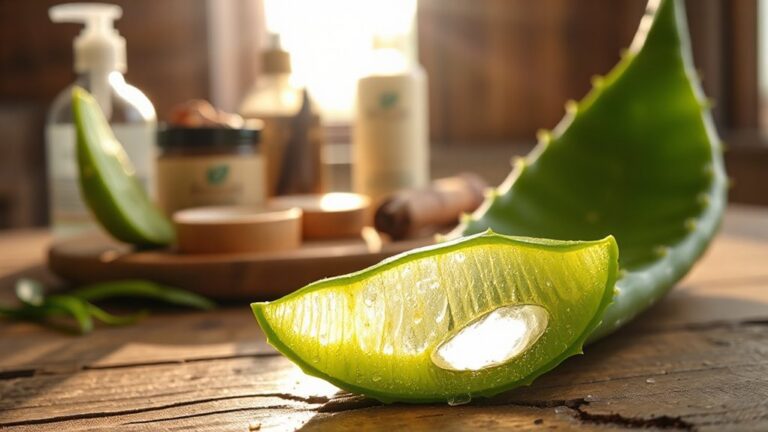
You might consider massaging warm coconut oil or olive oil into your scalp, which can moisturize and nourish the skin. Aloe vera is another great choice; its soothing properties help reduce irritation.
Additionally, apple cider vinegar can balance your scalp’s pH, promoting a healthier environment. Oatmeal masks are also beneficial, providing relief from itchiness.
Finally, drinking plenty of water and maintaining a balanced diet rich in omega-3 fatty acids can support overall scalp health.
Try these remedies for noticeable improvement!
How To Use Essential Oils To Combat Dry Scalp?
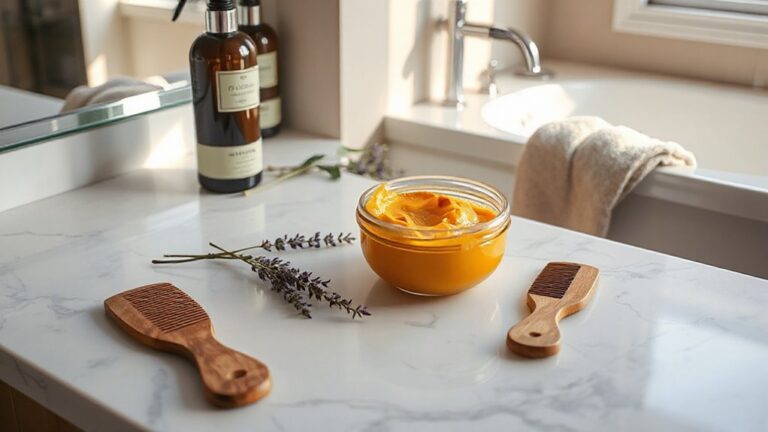
Essential oils can be a powerful ally in combating dry scalp. To start, mix a few drops of tea tree oil or lavender oil with a carrier oil like coconut or jojoba oil.
Gently massage this blend into your scalp for about 5-10 minutes to stimulate circulation and nourishment. You can also add essential oils to your shampoo or conditioner for added benefits.
Allow the oils to sit for at least 30 minutes before rinsing, or leave them in overnight for deeper hydration. Regular application will help soothe irritation and restore moisture, promoting a healthier scalp.
What Shampoo Ingredients Should You Avoid For Dry Scalp?
When dealing with dry scalp, it’s crucial to know which shampoo ingredients can exacerbate the problem.
Avoid shampoos containing sulfates, as they can strip natural oils and worsen dryness. Parabens are another culprit; they may irritate your scalp and lead to more flaking.
Fragrances and artificial colors might also trigger reactions, making your scalp feel even drier. Additionally, steer clear of alcohol-based ingredients, which can further dehydrate your scalp.
Instead, opt for gentle, hydrating formulas with natural oils and soothing agents. By avoiding these harmful ingredients, you can help alleviate your dry scalp issues more effectively.
How To Maintain A Healthy Scalp Long-Term?
To maintain a healthy scalp long-term, focus on establishing a consistent care routine that addresses both hydration and nourishment.
Start by using a gentle, sulfate-free shampoo and follow up with a moisturizing conditioner. Incorporate scalp massages with natural oils, like coconut or jojoba, to boost circulation and hydrate.
Stick to washing your hair only a couple of times a week to prevent stripping natural oils. Stay hydrated by drinking plenty of water and eat a balanced diet rich in vitamins and minerals.
Finally, protect your scalp from harsh weather and avoid excessive heat styling for peak health.
When Should You See A Doctor For Dry Scalp Issues?
Maintaining a healthy scalp is important, but sometimes issues like dryness can persist despite your best efforts.
If you’ve tried over-the-counter treatments and haven’t seen improvement after a few weeks, it’s time to consult a doctor. You should also seek medical advice if your scalp feels painful, inflamed, or if you notice excessive flaking or redness.
These could be signs of a more serious condition like psoriasis or eczema. Additionally, if you experience hair loss or any unusual symptoms, don’t hesitate to reach out to a healthcare professional for a proper diagnosis and treatment plan.
Your scalp deserves attention!