
How to Flat Iron Hair Without Damage?
Flat ironing your hair can give you that sleek, polished look you desire, but it’s important to do it carefully to avoid damage. You’ll want to start with the right products and techniques to protect your strands. Choosing the right heat setting and knowing your hair type are essential steps. Curious about how to achieve that flawless finish without compromising your hair’s health? Let’s explore the best practices for flat ironing safely.
How To Flat Iron Hair Without Damage
If you want to achieve sleek, straight hair without causing damage, it’s vital to follow a few simple steps.
Start by washing your hair with a nourishing shampoo and conditioner to hydrate and protect it. Towel-dry gently, and apply a heat protectant to shield your strands from damage.
Use a wide-tooth comb to detangle, guaranteeing there are no knots. Section your hair into manageable parts to make the process easier.
When you’re ready to flat iron, verify your hair is completely dry. Finally, keep the flat iron moving steadily to avoid overheating any one section.
Enjoy your beautiful, healthy locks!
What Are The Best Heat Settings For Flat Ironing Hair?
How do you determine the best heat settings for flat ironing your hair?
Start by considering your hair’s thickness and condition. For fine or damaged hair, keep the temperature between 250°F to 300°F.
If you have medium-textured hair, aim for 300°F to 350°F.
For thick or coarse hair, you can safely use 350°F to 400°F.
Always test a small section first to see how your hair responds.
Remember, lower heat settings reduce the risk of damage, so don’t exceed what’s necessary for your hair type.
Adjusting the heat can help achieve smooth, sleek results without compromising your hair’s health.
How Does Hair Type Affect Flat Ironing Techniques?
What factors should you consider when choosing flat ironing techniques? Your hair type plays an essential role in determining the best approach.
Here are some key points to keep in mind:
- Texture: Fine hair requires lower heat settings, while thick hair can handle higher temperatures.
- Curl Pattern: Straightening tightly curled hair may need more passes compared to loose waves.
- Porosity: Highly porous hair absorbs moisture, so use a lower heat to prevent damage.
- Length: Longer hair may need larger sections to guarantee even straightening without excess heat exposure.
Understanding these factors helps you achieve smooth, healthy results.
What Products Should I Use Before Flat Ironing?
Using the right products before flat ironing can make a significant difference in protecting your hair and achieving a sleek finish.
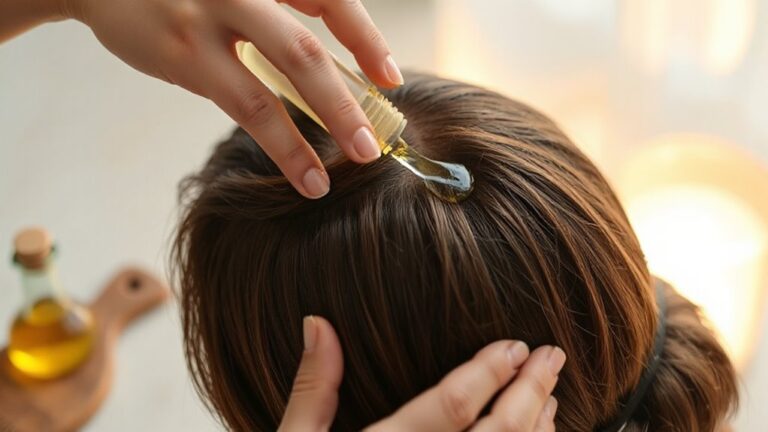
Start with a heat protectant spray or serum specifically designed for your hair type. This creates a barrier against high temperatures.
If your hair tends to be dry, consider a moisturizing leave-in conditioner to hydrate and nourish.
For extra shine, a lightweight oil can help smooth frizz and add gloss.
Finally, using a styling cream can provide hold and control while keeping your hair soft.
How Can I Protect My Hair While Using A Flat Iron?
To keep your hair safe while flat ironing, it’s essential to follow a few key steps.
- Use a heat protectant: This creates a barrier between your hair and the heat, minimizing damage.
- Set the right temperature: Choose a lower setting for fine or damaged hair and a higher one for thick or coarse hair.
- Section your hair: Working in smaller sections allows for even heat distribution, reducing the need for multiple passes.
- Keep the flat iron moving: Glide it smoothly through your hair to prevent prolonged exposure to heat on any one area.
What Are The Best Practices For Maintaining Healthy Hair After Flat Ironing?
Even after you’ve successfully flat ironed your hair, maintaining its health is essential for long-lasting shine and strength.
First, use a sulfate-free shampoo and conditioner to nourish your strands. Incorporate deep conditioning treatments weekly to restore moisture.
Don’t forget to trim your ends regularly to prevent split ends. Also, avoid excessive heat styling; give your hair a break between flat ironing sessions.
When you do style, always apply a heat protectant beforehand.
Finally, consider using a silk or satin pillowcase to reduce friction while you sleep, keeping your hair smooth and healthy.
Your locks will thank you!
Why Is It Important To Choose The Right Flat Iron?
Maintaining healthy hair after flat ironing isn’t just about post-care; it starts with selecting the right flat iron. Choosing wisely can prevent damage and enhance your styling results.
Here’s why it’s essential:
- Temperature Control: A good flat iron allows you to adjust heat settings to suit your hair type.
- Plate Material: Ceramic or tourmaline plates distribute heat evenly, reducing hot spots that can burn hair.
- Width of Plates: The right width helps you style efficiently without excessive passes over each section.
- Quality Design: Ergonomic designs make handling easier, minimizing stress on your wrists and hair.
How Can I Achieve A Sleek Look Without Excessive Heat?
How can you achieve that sleek, polished look without cranking up the heat?
Start by washing your hair with a smoothing shampoo and conditioner to tame frizz.
After towel-drying, apply a lightweight heat protectant or serum to lock in moisture.
Use a boar bristle brush to distribute oils and promote shine as you blow-dry your hair on a medium setting.
Once dry, try using a straightening cream or leave-in conditioner for added smoothness.
Finally, finish with a cool blast from the blow dryer to seal the look.
You’ll enjoy a sleek style without damaging your hair!