How to Deep Condition Natural Hair?
Deep conditioning your natural hair is an essential step in maintaining its health and vibrancy. By using the right products and techniques, you can greatly improve moisture retention and manageability. It’s important to understand your hair’s specific needs and how often it requires this treatment. Curious about the best methods and ingredients to achieve ideal results? Let’s explore the essentials of deep conditioning for your natural hair.
How To Deep Condition Natural Hair For Optimal Moisture
To achieve ideal moisture for your natural hair, deep conditioning is essential.
Start by choosing a high-quality deep conditioner suited for your hair type. After washing, apply the conditioner generously, focusing on the ends.
Don’t forget to section your hair for even distribution. Use a wide-tooth comb to detangle gently, ensuring every strand is coated.
For better absorption, cover your hair with a shower cap and apply heat, either with a hooded dryer or a warm towel.
Leave it on for 30 minutes to an hour, then rinse thoroughly. Your hair will feel hydrated, soft, and revitalized after this treatment.
What Is Deep Conditioning And Why Is It Important For Natural Hair?
Deep conditioning is a targeted treatment designed to penetrate the hair shaft, delivering intense moisture and nourishment.
It’s essential for natural hair because it helps combat dryness, brittleness, and breakage. By regularly deep conditioning, you improve the hair’s elasticity and manageability, making it easier to style and maintain.
This process also helps restore your hair’s natural luster and shine, promoting overall health. Plus, deep conditioning treatments often contain beneficial ingredients that strengthen your hair and protect it from environmental stressors.
Prioritizing deep conditioning in your routine can lead to healthier, more resilient natural hair over time.
How Often Should You Deep Condition Natural Hair?
Finding the right frequency for deep conditioning your natural hair can make a significant difference in its health and appearance.
Generally, it’s best to deep condition every one to two weeks, but it really depends on your hair’s specific needs. If your hair feels dry or brittle, you might want to increase the frequency.
On the other hand, if your hair is healthy and moisturized, you can stretch it out to every three weeks.
Pay attention to how your hair responds, and adjust accordingly. Consistency is key, so find a routine that works for you and stick with it!
What Ingredients Should You Look For In Deep Conditioners?
When you’re ready to deep condition your natural hair, choosing the right ingredients in your conditioner can make a big difference.
Look for moisturizers like glycerin and aloe vera to hydrate your strands. Proteins such as keratin and silk can strengthen and repair damaged hair. Natural oils like coconut, olive, or jojoba oil will add shine and moisture.
Additionally, shea butter is fantastic for locking in hydration. Avoid harsh chemicals, parabens, and sulfates, as they can strip your hair of its natural oils.
How To Choose The Right Deep Conditioner For Your Hair Type?
How do you know which deep conditioner is best for your hair type? Start by identifying your hair’s specific needs.
If your hair’s dry or damaged, look for rich, moisturizing formulas with ingredients like shea butter or coconut oil.
For fine hair, opt for lightweight conditioners that won’t weigh it down.
Curly hair benefits from products with added protein to enhance elasticity.
If you’ve got color-treated hair, choose conditioners that protect and maintain vibrancy.
Always check the labels and consider trying a few samples to see what works best.
Your hair deserves the right hydration and care to flourish!
What Are The Best Techniques For Deep Conditioning Natural Hair?
After you’ve chosen the right deep conditioner for your hair type, applying it effectively makes all the difference.
Start by sectioning your hair into manageable parts. This guarantees even distribution. Apply the conditioner generously, focusing on the ends where damage is often worst.
Use your fingers or a wide-tooth comb to work it through, ensuring every strand gets coated. For enhanced penetration, cover your hair with a plastic cap and apply gentle heat using a hooded dryer or warm towel for 20-30 minutes.
Rinse thoroughly with cool water to seal in moisture, leaving your hair soft and revitalized.
How Can You Tell If Your Hair Needs Deep Conditioning?
Wondering if your hair needs deep conditioning? Look for signs like excessive dryness, brittleness, or breakage.
If your hair feels rough or looks dull, it’s likely craving moisture. You might also notice that your curls aren’t holding their shape or bounce, indicating a lack of hydration.
Pay attention to how easily your hair tangles; if it’s hard to manage, it may need some extra care.
Finally, if your hair absorbs products quickly without any noticeable improvement, that’s a clear signal.
Trust your instincts—if your hair feels off, it’s probably time for a nourishing deep conditioning treatment.
What Are Some Diy Deep Conditioning Recipes For Natural Hair?
If you’ve identified that your hair needs a little extra love, DIY deep conditioning recipes can be a great way to restore moisture and liveliness.
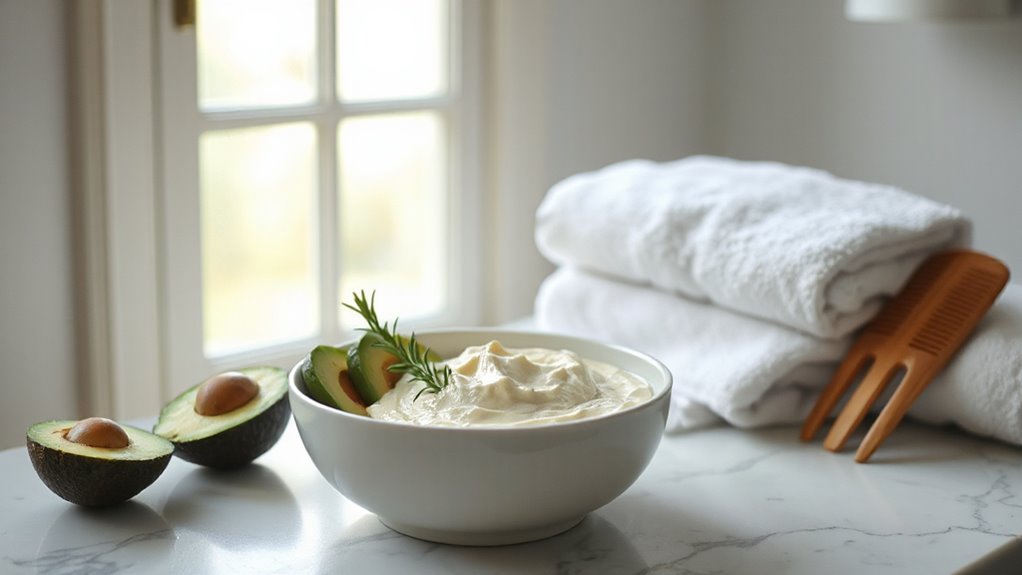
Try mixing one ripe avocado, two tablespoons of olive oil, and a tablespoon of honey for a creamy treatment. Alternatively, blend a banana with two tablespoons of coconut oil and a splash of almond milk for a nourishing mask.
For a protein boost, combine Greek yogurt with honey and a few drops of essential oil. Apply your chosen mixture, leave it on for 30 minutes, and then rinse thoroughly. Your hair will thank you!