How to Dye Hair at Home Without Damage?
Dyeing your hair at home can be a rewarding experience, but it’s essential to do it safely to avoid damage. By choosing the right products and preparing your hair properly, you can achieve vibrant results without compromising its health. You might be wondering what steps to take and what techniques to use. Let’s explore how to guarantee your hair stays healthy while you transform your look.
How To Dye Hair At Home Without Damage
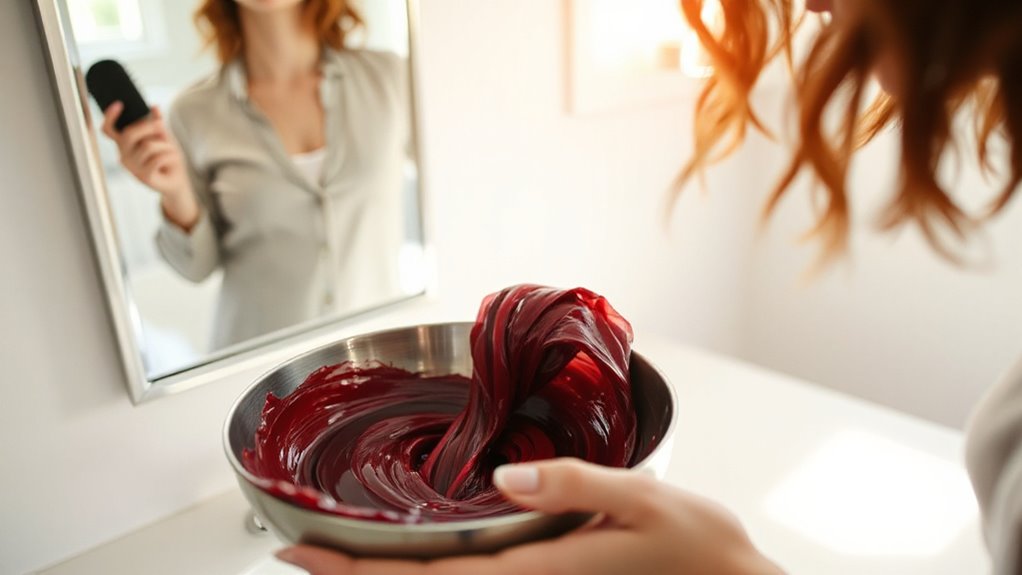
When you want to change your hair color without causing damage, it’s essential to choose the right products and techniques.
Start by doing a strand test to see how your hair reacts. Always opt for ammonia-free dyes, as they’re gentler on your strands.
Prepare your hair by deep conditioning a few days prior to dyeing, ensuring it’s healthy and hydrated. Use a protective barrier, like petroleum jelly, around your hairline to prevent staining.
Finally, follow the instructions carefully and avoid overlapping color on previously dyed sections. This way, you’ll achieve a vibrant look while keeping your hair healthy.
What Are The Best Products For At-Home Hair Dyeing?
Finding the best products for at-home hair dyeing can make all the difference in achieving your desired look. Look for ammonia-free dyes that minimize damage while providing vibrant color. Brands like Arctic Fox, Garnier Olia, and L’Oréal Paris offer great options.
Don’t forget to grab a quality developer, especially if you’re going for a significant color change. Consider using a color-safe shampoo and conditioner to maintain your new hue longer. Additionally, a good hair mask can help keep your locks healthy and hydrated post-dyeing.
Choosing the right products sets you up for success in your hair transformation journey!
How To Prepare Your Hair Before Dyeing?
Before you immerse yourself in dyeing your hair, it’s essential to prepare your strands properly to guarantee the best results.
Start by washing your hair a day or two before dyeing; this helps your scalp produce natural oils that protect it. Avoid using conditioner right before dyeing, as clean, dry hair absorbs color better.
If you’ve recently styled your hair with heat or chemicals, consider giving it a break to restore its health.
Finally, detangle your hair gently, ensuring it’s free from knots, so the dye distributes evenly.
With this prep, you’ll set the stage for vibrant, lasting color.
What Techniques Help Prevent Hair Damage When Dyeing?
To preserve your hair’s health while dyeing, it’s essential to employ techniques that minimize damage. Start by choosing ammonia-free dyes, as they’re gentler on your strands. Always perform a patch test to prevent allergic reactions.
Use a deep conditioner beforehand and consider applying a leave-in treatment during the dyeing process. Section your hair for even application, avoiding overlapping on previously dyed areas. Limit processing time and always follow the instructions on the product.
After dyeing, rinse with cool water and use sulfate-free shampoos to maintain color. Finally, give your hair some TLC with regular treatments to keep it nourished.
How To Choose The Right Shade For Your Hair?
How can you guarantee you pick the perfect shade for your hair? Start by considering your skin tone. If you have warm undertones, go for golden or honey shades. For cool undertones, opt for ash or platinum colors.
Next, think about your natural hair color; lighter shades may require a more gradual approach. Look at inspiration photos, but remember that results can vary. Test a few swatches to see how they complement your features.
Finally, consider maintenance—darker shades might require less upkeep than lighter ones. Choosing wisely assures your new color enhances your look without overwhelming it.
Why Is A Patch Test Important Before Dyeing?
Even if you’re excited to change your hair color, skipping a patch test can lead to unexpected reactions.
A patch test helps you identify potential allergies or sensitivities to the dye. By applying a small amount of the product on your skin, you can check for redness, itching, or swelling within 48 hours.
This simple step can save you from serious discomfort or even an allergic reaction. Remember, everyone’s skin reacts differently, and just because a friend had a great experience doesn’t mean you’ll too.
What Aftercare Is Essential For Dyed Hair?
After ensuring your dye is safe for your skin, it’s time to focus on caring for your newly colored hair.
Start by using sulfate-free shampoos and conditioners; they won’t strip your color. Wash your hair less often to prolong the vibrancy, and when you do, use cool water to seal the color.
Incorporate weekly deep conditioning treatments for hydration. Avoid heat styling tools when possible, but if you must, use a heat protectant.
Finally, protect your hair from sun exposure with hats or UV sprays. These steps will help maintain your beautiful color and keep your hair healthy.
How To Fix Common Hair Dyeing Mistakes At Home?
If you find yourself unhappy with your hair color after dyeing it at home, don’t worry—there are effective ways to fix common mistakes.
If your color turned out too dark, try a clarifying shampoo to lighten it. For unwanted brassy tones, use a purple shampoo to neutralize the warmth.
If you missed spots, apply color to those areas and blend carefully. In case of an uneven application, consider a color-removing product or a professional touch.
Always perform a strand test before trying any corrective methods to avoid further mishaps.